
TL;DR: What Bathroom Pods Are and When They Pay Off
A bathroom pod is a complete bathroom assembled in a factory and delivered to site as a finished room, with the frame, waterproofing, sanitaryware, joinery and pipework already installed. Because pod production runs in parallel with the building structure, schedules shorten, bathroom defects drop and site waste falls. Bathroom pods suit hotels, workforce camps, ADUs and multifamily projects, where dozens of repeatable bathrooms are usually the biggest schedule risk. This article explains how pods are built, what drives their cost and how they meet plumbing codes in Australia and the United States.
What Is a Bathroom Pod?
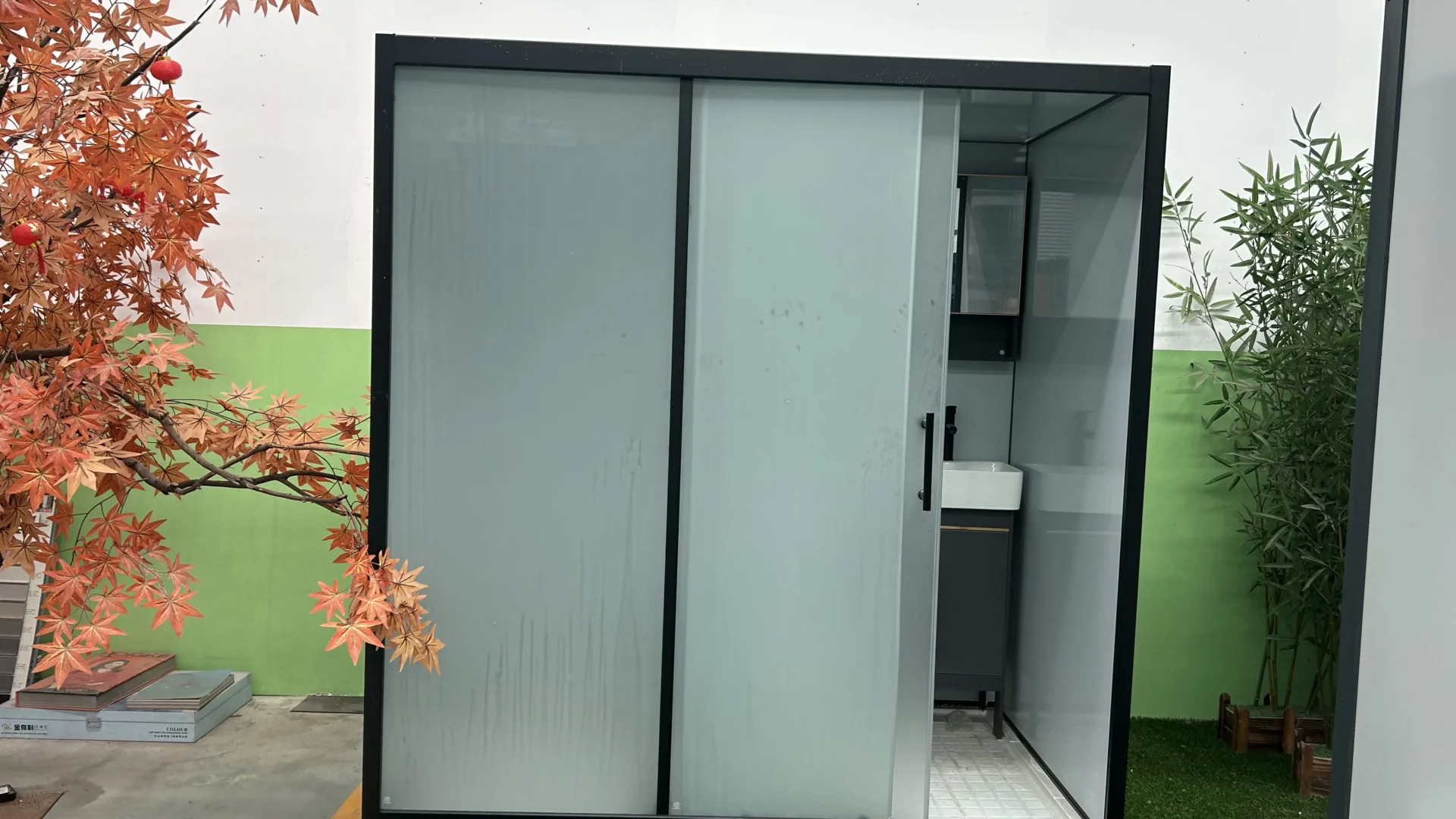
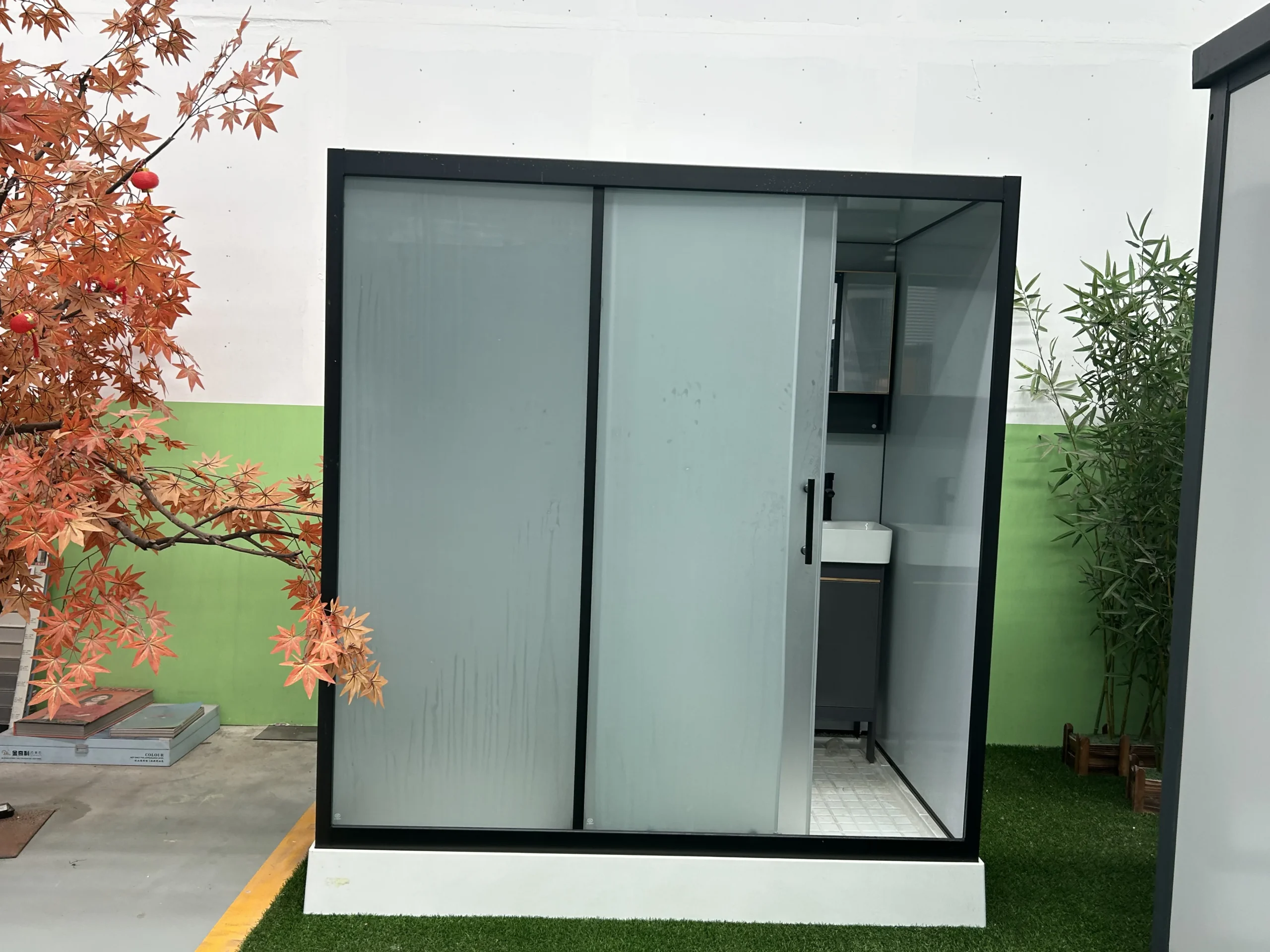
A bathroom pod, also sold as a restroom pod, prefab bathroom or modular bathroom, is a fully finished bathroom manufactured off site on a production line. The structure, waterproofed wet area, wall and floor finishes, sanitaryware, joinery, lighting and plumbing are installed inside the factory under one quality process. Bathroom pods then travel to the project complete, and site crews handle only positioning, service connections and commissioning.
Most prefabricated bathroom pods are built around a steel frame with an integrated floor pan, so the wet area leaves the factory as one sealed, tested assembly. Two supply formats cover the market: fully assembled pods that arrive ready to place, and flat-pack pods that ship in panels and get assembled at the building. Both formats move the finishing trades out of a crowded construction site and into a factory, where the same crew repeats one proven room design unit after unit.
That factory setting is what separates pods from off-site shortcuts that only move part of the work. Waterproofing is applied in controlled conditions and checked before dispatch, tolerances hold to factory jigs, and inspection happens at a bench instead of on scaffolding. A site-built bathroom depends on half a dozen trades sequencing correctly; bathroom pods arrive with that sequence already done.
Why Projects Use Factory-Built Bathrooms
The commercial case comes down to schedule control. Bathroom finishing is typically the last major trade into a building and one of the most common sources of delay, because every bathroom needs framers, waterproofers, tilers, plumbers and electricians to arrive in the right order. One late trade stalls every room behind it. Bathroom pods break that dependency by moving the whole sequence into the factory while the structure is still rising.
A NIBS report on modular bathroom pods documents the pattern across projects: factory conditions keep the work cleaner and safer, and the controlled process cuts labor, material waste and overall cost compared with building each bathroom on site. Repetition compounds the benefit. When one crew builds the same room dozens of times, waterproofing and pipe routing become routine, and defect rates fall with every repetition.
Quality control works the same way. Every bathroom pod passes through fixed inspection points, so a full order arrives with a consistent test record instead of paperwork assembled from separate site trades. For a large hotel order, that consistency lets the fit-out crew place the first unit and repeat the process with confidence.
Completed hotel projects show the effect at scale. A Holiday Inn Dublin Airport bathroom pod case study recorded 400 pods delivered on time and on budget, with factory production running alongside work on the building. For developers, that parallel track is the difference between a bathroom program that floats and one that holds.
What Drives Bathroom Pod Cost
Factory pricing is easier to forecast than site pricing because most of it is fixed the day the pod design is frozen. What bathroom pods cost varies widely between a basic camp unit and a hotel-grade room, and the spread comes from a short list of factors. Buyers who understand these drivers early get quotes that hold through production.
| Cost driver | What it covers | How it moves the price |
|---|---|---|
| Size and layout | Floor area, fixture count, single room or connected rooms | Larger footprints and more fixtures add material, weight and production time to every unit in the order |
| Fixture and finish specification | Sanitaryware grade, tapware, tiling or wall panels, joinery | Hotel-grade specification raises unit cost across the whole run, so lock the specification before production starts |
| Order quantity | Number of pods and repeats of each layout | Repetition spreads tooling and line setup across more units, which lowers the per-unit figure |
| Transport and craneage | Distance, route, container vs. flatbed, crane hire on site | Remote sites and assembled-pod transport add logistics cost that flat-pack formats can reduce |
| Site connection conditions | Service positions, access, floor tolerance, installation window | Prepared connections and clear access shorten installation, while constrained sites extend it |
No two projects price the same, so treat published prices for bathroom pods as placeholders until layout, specification and site conditions are on the table. The number worth planning around is the quote issued against your drawings and delivery location.
Compliance in Australian and US Markets
Plumbing compliance works at the component level, and the two main export markets handle it differently. In Australia, plumbing and drainage products covered by the scheme require certification under Australia’s WaterMark certification scheme before they can be legally installed in a plumbing system. SunModu supplies bathroom pods to Australian projects with WaterMark-listed components, so the tapware, mixers, valves and sanitaryware inside the unit carry the mark a licensed plumber expects.
The United States runs on a different framework. The International Plumbing Code is the base plumbing document adopted by state and local jurisdictions across much of the country, and the International Plumbing Code adoption page at ICC tracks its coverage. Pods built with code-listed fittings and standard connection points integrate into that framework the same way a conventional bathroom does, with final sign-off from the local authority and the licensed plumber completing the connection.
The practical takeaway for buyers is to confirm component certification at specification stage, before the order is locked. Asking which parts of the pod carry WaterMark listing, or which fittings are listed for the destination market, prevents a compliance headache on site.
Where Bathroom Pods Make Sense
Hotels. Guest towers repeat the same bathroom floor after floor, which is exactly the profile where bathroom pods compress schedules and protect finish quality from trade-to-trade variation. Operators also gain consistency, because every guest gets a room sealed and tested the same way.
Workforce and mining camps. Camp bathrooms need to arrive complete, connect fast and survive heavy daily use in remote locations. Factory-built units answer all three, and SunModu applies them across its workforce camp accommodation range.
ADUs and small dwellings. A backyard studio has little floor area to spare, and a prefab bathroom keeps the wet room compact while removing the messiest construction sequence from a tight residential site. Fewer wet trades on site also mean less noise, dust and rework to manage around neighbors.
Multifamily apartments. Developers building repeat floor plates use modular bathroom pods to keep dozens of identical bathrooms moving at one pace, which stabilizes the fit-out program across the whole building. Delivery can be sequenced floor by floor, so units arrive as each level is ready for them.
Inside the SunModu Modular Bathroom Pod
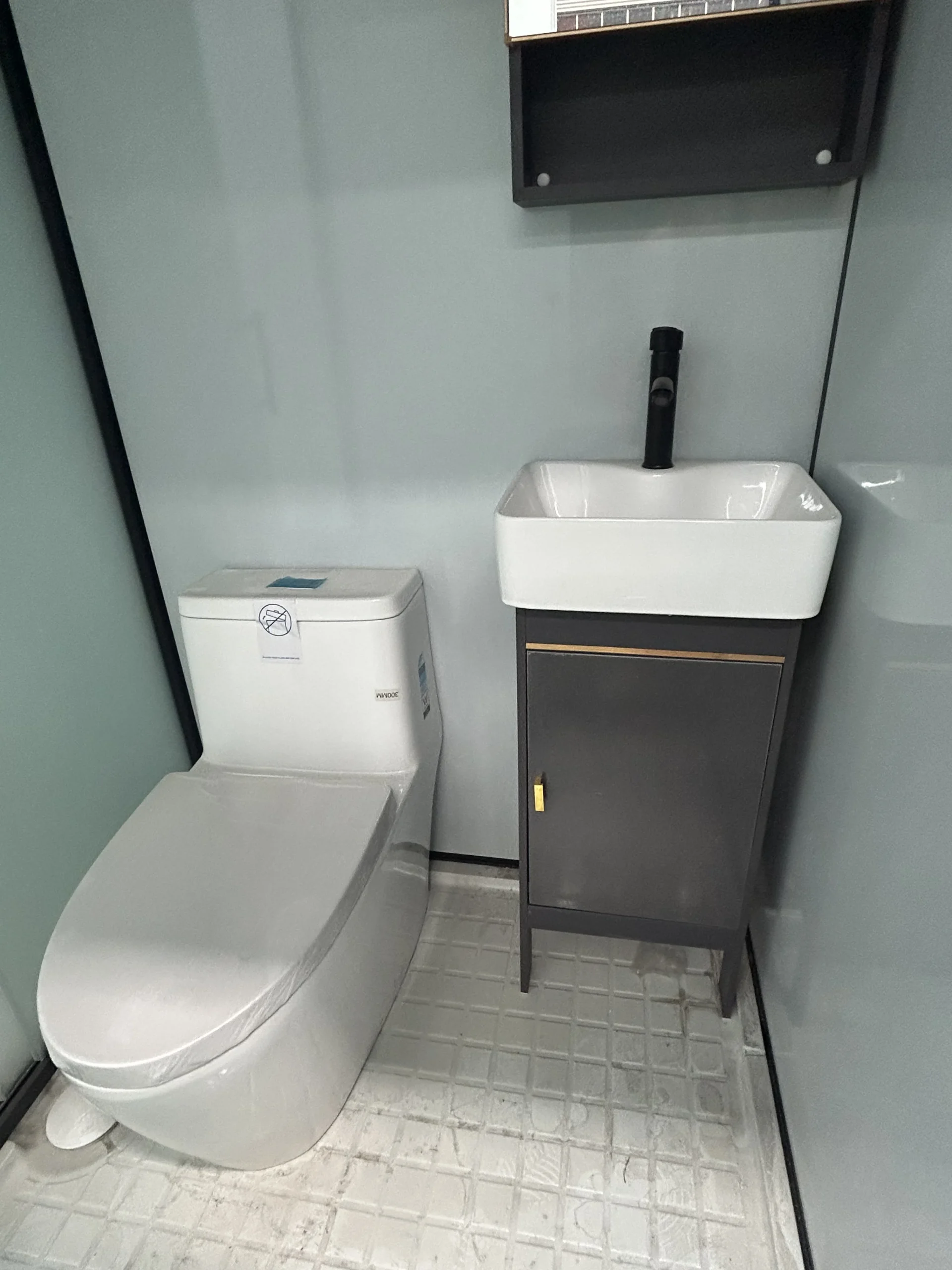
SunModu builds the modular bathroom pod within its container modules and pods line-up, assembling each unit in the factory as a complete room: frame, waterproofed wet area, wall and floor finishes, sanitaryware, joinery, lighting and pipework installed before dispatch. Every pod is tested at the works before it ships, so connections and fittings arrive verified. Transport is flexible: pods ship fully assembled for direct crane placement, or in flat-pack form when container shipping and site access call for it.
Connection points are positioned to match the project’s service layout before the order enters production.
On site, the crew positions each unit, connects it to water, drainage and power, and moves straight into commissioning. SunModu builds bathroom pods around compact footprints for hotels, camps and small dwellings, and fixture packages are specified per project, so the same base unit serves a camp block and a hotel at different finish levels.
Bathroom Pods: Frequently Asked Questions
What is the difference between a bathroom pod and a site-built bathroom?
A site-built bathroom is framed, waterproofed and fitted inside the building by several trades working in sequence over weeks. A bathroom pod is manufactured as a finished room in a factory, with waterproofing, fittings and testing completed before it reaches site. Site work on a pod shrinks to positioning, service connections and commissioning, which removes the trade sequencing that typically drives bathroom delays. The difference shows up most clearly on repeat layouts, where the factory has already solved the detailing once for every unit in the order.
How are bathroom pods transported?
Two formats cover most projects. Fully assembled bathroom pods travel complete on a flatbed and arrive ready to lift into place, which suits domestic deliveries with good road access. Flat-pack pods ship in panels packed into standard containers, which suits export orders and constrained sites, and crews assemble the pod at the building before installation.
Do bathroom pods meet plumbing codes?
Bathroom pods comply through certified components and code-conforming installation. In Australia that means WaterMark-listed components for covered plumbing products; in the United States it means fittings and connections built to the local adoption of the IPC. Final approval comes from the local authority and the licensed plumber who signs off the connection, as it does for conventional bathrooms.
Can pods be customized?
Yes, within the platform. Layout, fixture packages, finishes and connection positions are set per project, and the factory then repeats that specification across the whole order. Heavily customized one-off pods lose the repetition that makes factory production economical, so most buyers standardize a small set of layouts across a building and vary finishes between them.