
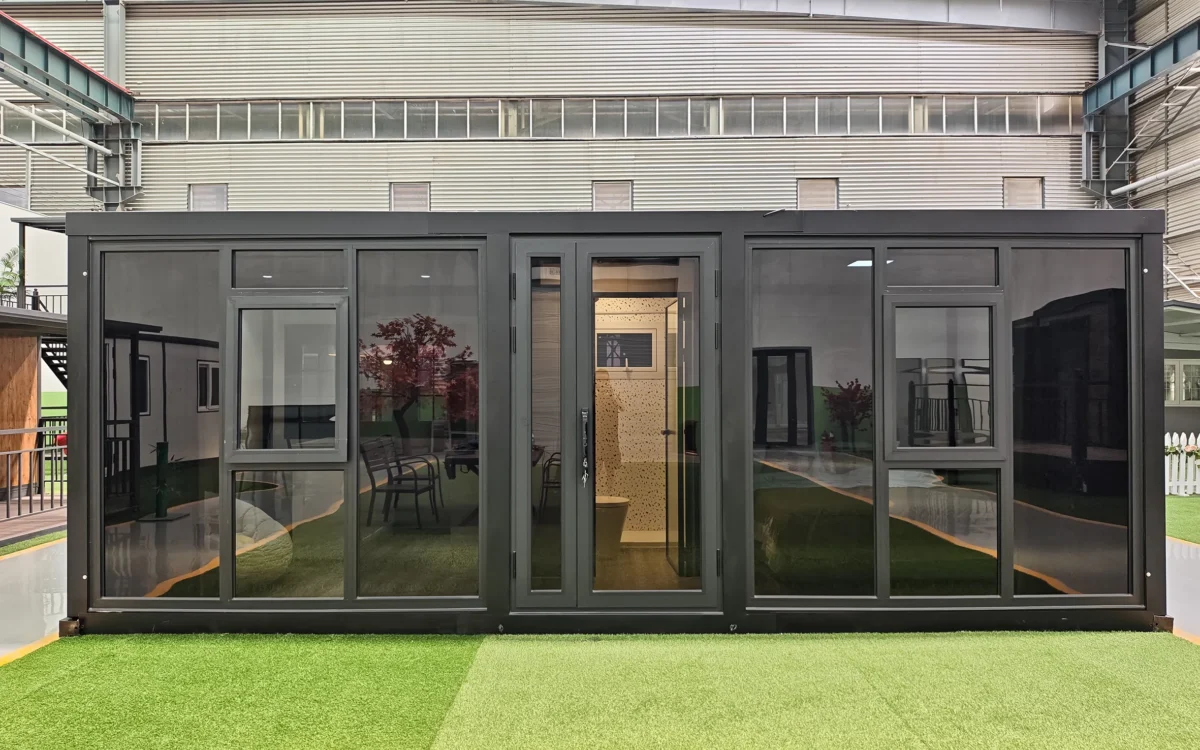
01
Zoning & land use
Confirm with your local authority that a modular or container dwelling is a permitted use on your plot — permanent dwelling, ADU or temporary unit. This step is yours; rules differ by jurisdiction.
Your sideAlmost every jurisdiction treats a container home as a real building: zoning, permits and inspections apply. This guide explains how approval works for factory-built modular houses, what documents we supply — and where you need a local professional.
Yes — in almost every market, a container home is a habitable building, so zoning clearance, a building permit and inspections apply whether the unit is placed as a permanent dwelling, an ADU or temporary accommodation. What changes with a factory-built modular house is not whether you need approval, but what you submit: instead of a stick-built construction dossier, your application is built around the manufacturer’s technical documentation.
That documentation is what this page maps out — what we provide from the factory, what it covers, and honestly, what it does not.
Confirm with your local authority that a modular or container dwelling is a permitted use on your plot — permanent dwelling, ADU or temporary unit. This step is yours; rules differ by jurisdiction.
Your side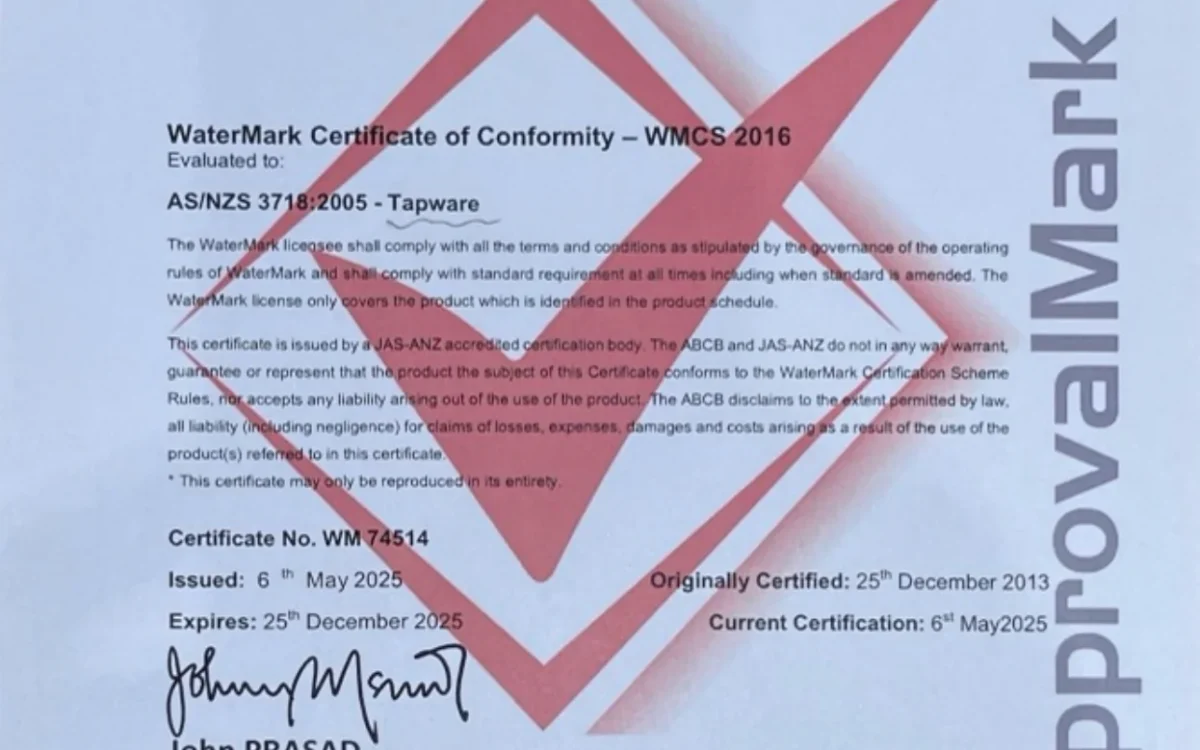
Submit the building-permit application with the manufacturer's documents: floor plans, structural specification, electrical layout and component certificates. We supply this pack; your local architect or engineer adapts it where required.
Together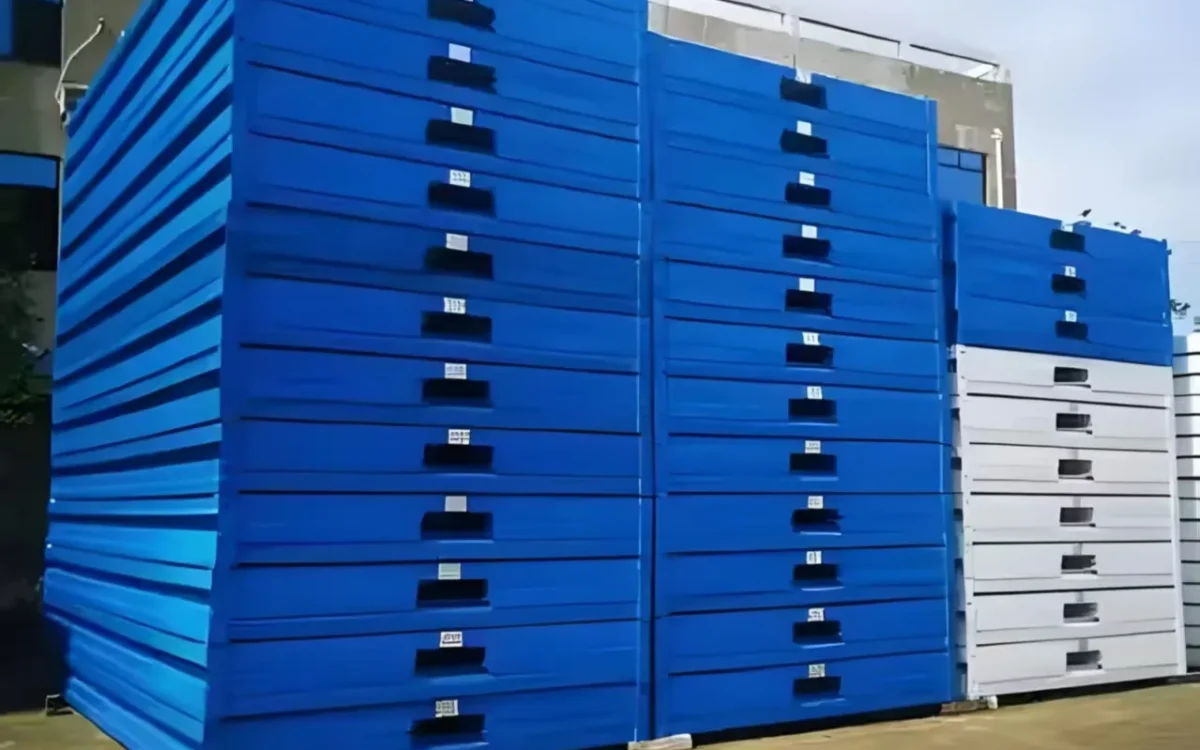
The unit ships with an installation manual and video; installation is typically done by a local crew with a crane, then final inspection signs off the installed building against the approved dossier.
On siteComponent-level certificates held by the manufacturers of the parts fitted in SunModu units — compiled per destination market on request.
| Destination market | Certified components available | Typical documents |
|---|---|---|
| Australia | Sanitary ware & tapware (WaterMark, AS/NZS 3718), drainage (AS/NZS 3500.2), WC suites (SAA, AS/NZS 6400), toughened glass (AS/NZS 2208), wiring devices & cabling (SAA) | Certificate scans + specification sheets |
| Europe | Low-voltage wiring & cables (CE LVD), sockets, leakage protectors, LED luminaires, instant water heaters | CE conformity documents + test reports |
| United States | Receptacles (UL listed) | UL file documentation |
| Canada | Power-control & tray cabling (cUL) | cUL certificate scans |
| All markets | Quartz countertops, fiber-cement board (SGS / BETC test reports) | Test reports on request |
Certificates are held by component manufacturers and apply to the parts fitted in SunModu units — component certifications, not whole-home approvals.
Three things we will not pretend. First, the certificates above certify components, not the finished house — no factory can hand you a certificate that automatically approves a whole home in your jurisdiction. Second, our published wind-resistance grades (Grade 10–12, 240–320 km/h depending on model) are engineering baselines from design practice and project experience, not third-party-certified calculation reports; where your authority requires certified structural calculations for a specific site, a licensed local structural engineer reviews the final drawings, and we provide the underlying technical data and cooperate fully. Third, we currently do not hold whole-home documentation for specific national schemes such as Australia’s NCC Class 1a — if your project needs one, send us what the assessment requires and we will tell you plainly what we can support and what we cannot.
The full certificate gallery and component close-ups: Compliance & Certifications.
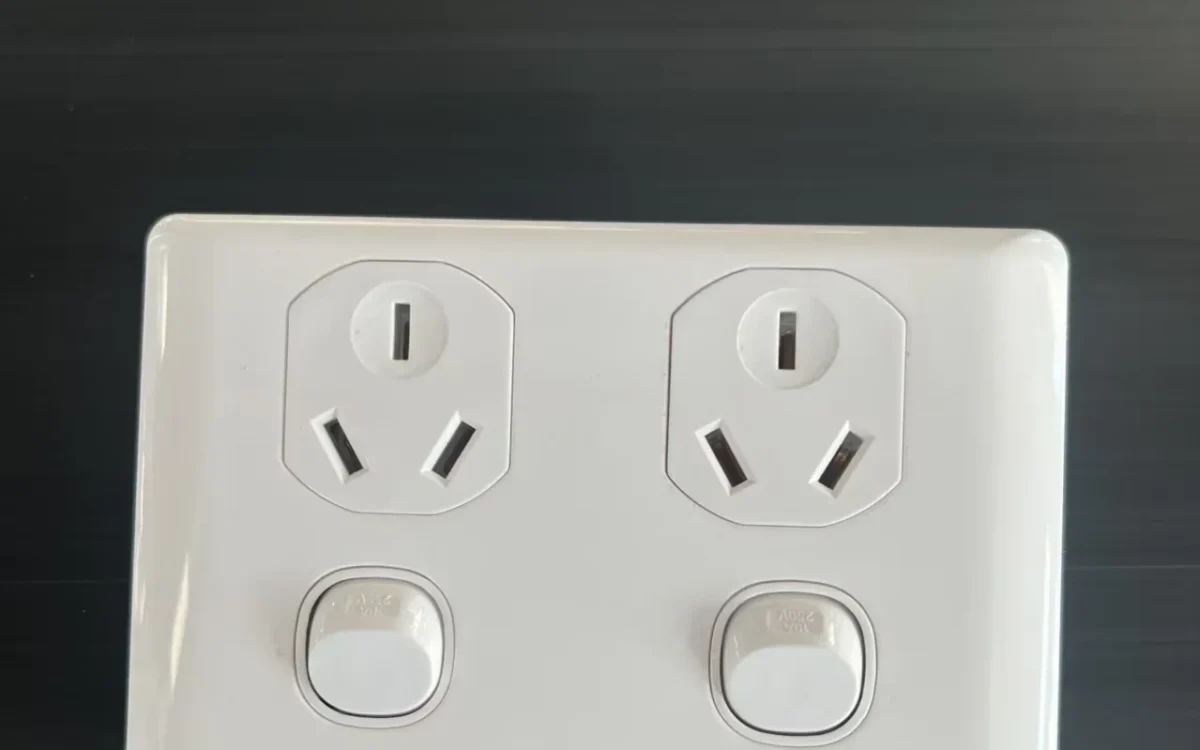
Outlets, wiring configuration and voltage specified per order — AU/NZ, UK, EU, US or CN — at no extra engineering cost.
Electrical packages are CE-certified as standard (12 kW with RCD + MCB protection), and internal receptacles are fitted to the outlet standard of each destination market, specified per order. For the standards behind AU, US and EU wiring, see our guide to prefab house electrical standards.
United States. Container and modular homes are regulated as dwellings or ADUs under state and local codes, with the authority having jurisdiction (AHJ) deciding the permit package. National model codes (IRC / IBC) frame the requirements; buyers typically work with a local permit service or engineer. Start from the manufacturer’s specification pack and expect site-specific foundation and utility approvals.
Australia. Approval paths depend on the state and wind region, and cyclone-area projects face the strictest requirements. Our guides cover the detail: container house approvals & standards and cyclone wind ratings explained; the import-side checklist is in importing container homes to Australia.
Europe. CE-marked components cover the low-voltage package; permanent dwellings are typically assessed by a local structural engineer against national annexes of the Eurocodes. Buyers in France, Portugal, Ireland and Romania have brought us national requirements — ceiling heights, thermal specifications, seismic documentation — and we scope what the factory supplies and what is completed on site.
Other markets. Send your authority’s checklist. We reply with the documents we hold, the data we can generate, and an honest gap list — before you commit.
Yes, in almost every jurisdiction. A container home is a habitable building, so zoning clearance, a building permit and inspections apply — whether it is placed as a permanent dwelling, an ADU or temporary accommodation. Start by asking your local zoning office what uses are allowed on your plot.
Container homes are a legal building type in most markets, but legality is plot-specific: zoning decides what use is allowed, and the building permit decides how it must be built. No factory certificate makes a home legal by itself — the two steps above do.
For standard models we provide the technical specification, drawings and available test documentation. Third-party-certified, site-specific structural calculations are produced by a licensed local engineer — we supply the underlying data, drawings and full cooperation for that review.
We do not currently hold whole-home NCC Class 1a documentation. Component certificates (WaterMark, SAA) support the plumbing and electrical fit-out, and Class 1a projects need a state-specific approval path with a local certifier — we will say plainly where the gaps are.
Component-level certifications across markets: WaterMark, SAA and StandardsMark (Australia), CE low-voltage (Europe), UL (United States), cUL (Canada), plus SGS and BETC test reports — compiled per destination market on request. See Compliance & Certifications for the scans.
Yes. AU/NZ, UK, EU, US and CN outlet and wiring configurations are specified per order at no extra engineering cost, on a CE-certified 12 kW package with RCD + MCB protection.
Send your market, project type and destination — we reply with the documentation pack, what it covers, and a plain answer on any gaps.