
TL;DR: Financing for Container Homes Follows the Title, Not the Steel
Financing for container homes tracks the property’s legal classification more than the steel box itself. A unit recorded as real property can access mortgage products priced near the 30-year fixed average of 6.95% for the week ending September 17, 2026, per the Freddie Mac PMMS survey. Units that keep their chassis or park on leased land move toward chattel, personal, and business credit instead.
Why Classification Decides the Loan
A lender cannot underwrite a chassis; it underwrites real estate. That is why lenders usually ask where the unit will sit before they ask what it is built from. When lenders sort factory-built units into categories, they reach for the HUD code definition, which treats a manufactured home as a transportable structure of eight body feet or more in width, or 320 square feet or more, built on a permanent chassis and designed to be used with or without a permanent foundation (24 CFR 3280.2). Move the unit onto a permanent foundation, retire the chassis, and record it as an improvement to the land, and a different family of loan products opens.
Conventional agencies apply the same logic. Fannie Mae’s selling guide makes factory-built housing mortgage-eligible when it is legally classified as real property, permanently attached to a foundation, and built with materials and codes equivalent to site-built housing, at which point it is underwritten like a comparable site-built home (B2-3-02). Underwritten that way, financing for container homes mirrors the lending a tract house receives, and the quote reflects the mortgage market rather than a niche asset class.
The reverse also holds. A unit that keeps its wheels, sits on a rented pad, or travels between sites reads as personal property, and lenders price that mobility as collateral risk. Settle the classification question before you order, because it shapes every cost line and every application form that follows.
Which Five Loan Routes Cover the Ground?
Financing a container home starts with sorting the project into one of three lanes: products that require real property, products that accept the unit as personal property, and products that fund a business purchase rather than a household one. The table below compares the five routes that handle most situations, the property status each expects, and the buyer profile each fits.
| Loan route | Property status expected | Repayment shape | Fits when |
|---|---|---|---|
| Conventional mortgage | Unit titled as real property on owned land | Monthly amortization, commonly on a 30-year term | The unit is set on a foundation and the buyer wants long-dated, lower monthly payments |
| Construction loan | Land plus a build contract | Short term, funds released in draws as milestones complete, often converts to a mortgage | The unit arrives as a shell or kit and the finish work happens on site |
| Chattel loan | Home remains personal property | Installment payments on a shorter schedule than a mortgage | The home sits in a land-lease community or keeps its chassis |
| Unsecured personal loan | No classification test on the home | Fixed installments over a few years, smaller principal | The project value sits below mortgage-worthy size, or closing speed matters more than rate |
| SBA 7(a) or 504 | Business asset, often on business-owned land | Program terms, with the 504 aimed at long-term fixed-asset purchases | A park, resort, dealer, or camp operator buys units as business equipment |
Two of these routes deserve a closer read before you apply. The CFPB describes a construction loan as short-term financing released in stages as work progresses, often converting to a regular mortgage once the build is complete (CFPB), a draw structure that matches the way a container project actually spends. For commercial buyers, 13 CFR 120.2 frames the SBA 7(a) program around general business purposes and the 504 program around long-term fixed-asset financing (13 CFR 120.2), and that distinction is what decides whether a cabin fleet or a workforce camp clears the program test.
How Does the Approval Path Run?
Appraisal comes early, and it is where container projects stumble. An appraiser needs comparable sales, and a unit sited where no container home has sold before can appraise thin, which squeezes the loan amount against the project budget.
Code certification is the second checkpoint. Underwriters working container home loans ask for evidence that the unit meets the building code adopted where it will sit, and a factory certification statement, engineering drawings, and inspection records give them a file to work from.
Foundation and title work follows. The lender wants the unit permanently attached and the title moved from vehicle-style documentation into the local real property records before closing, which is the legal act behind the mortgage column in the table above.
Insurance closes the loop. Carriers quote coverage once the unit is fixed to its foundation, and the lender collects proof of policy before releasing the initial draw. Run together, these steps explain why loan approval often overlaps the factory build instead of preceding it.
Factory Payment Terms for Import and B2B Orders
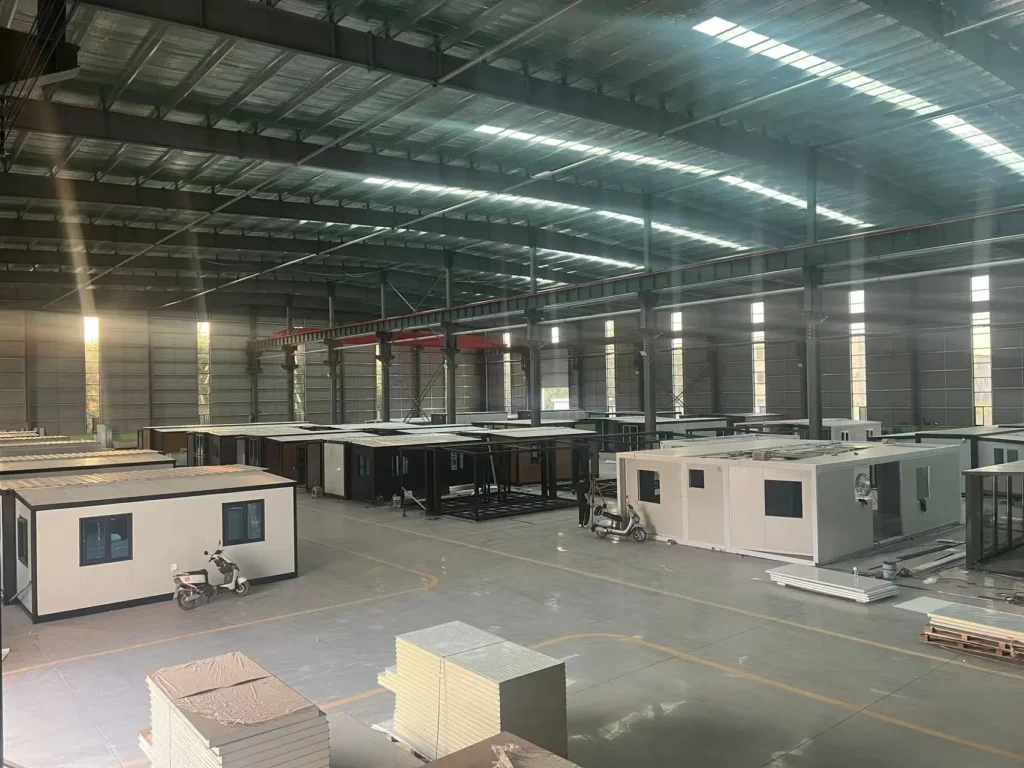
Import and B2B buyers sit outside that system altogether. No lender holds a lien on a unit still on the factory floor, so traditional home financing rarely enters the picture, and the payment conversation happens directly with the factory. The structure moves in documentary stages: a deposit to open the production slot, progress payments tied to build milestones, and the balance released against shipping documents. Most proforma invoices from Chinese factories, SunModu included, follow that rhythm.
| Stage | When it falls due | What the buyer receives |
|---|---|---|
| Deposit | At contract signing | Order confirmation and a reserved production slot |
| Progress payment | At agreed milestones, such as framing, insulation, or paint cure | Photos and video from the line, plus inspection records |
| Balance payment | Before the factory releases shipping documents | Bill of lading, packing list, and certification paperwork |
| Letter of credit, optional | Arranged with the buyer’s bank before production starts | The bank pays against documents that match the LC terms, shifting risk from prepayment to document review |
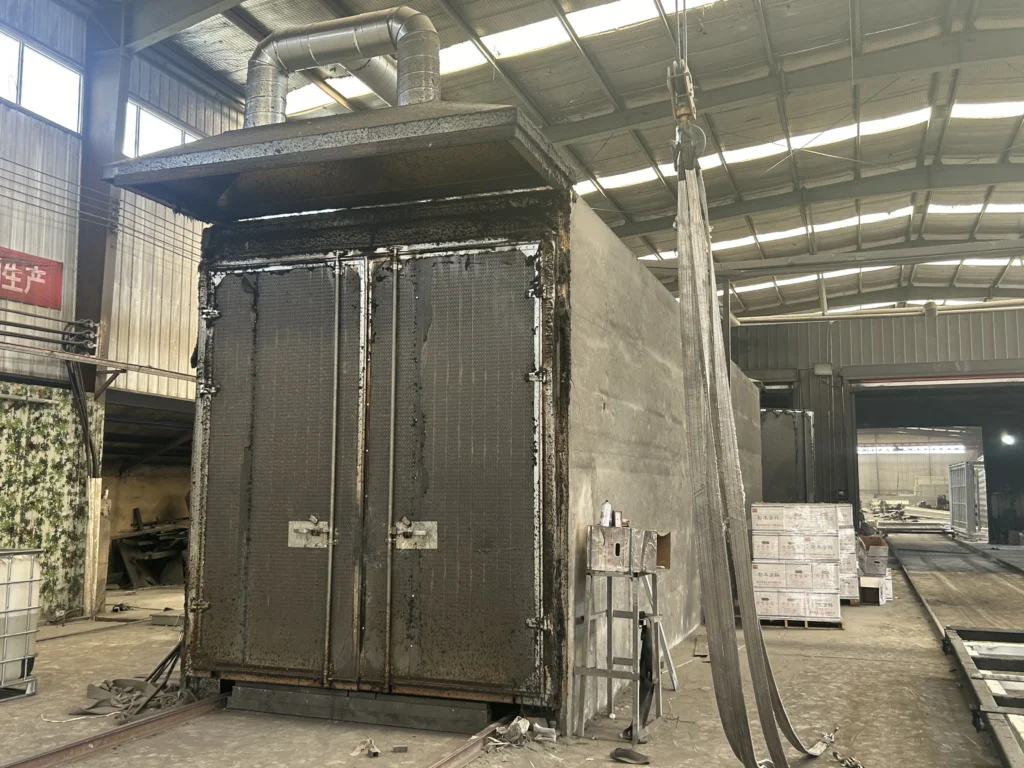
Milestones map onto what the line is doing that week. A progress payment request that lands after units clear powder coating, for example, should arrive with photos of that exact stage, and buyers ordering expandable container house models can expect the same documentary trail across each fold-out module.
Volume changes the conversation, not the structure. Distributors and park operators negotiate the share due at each stage, the number of milestones, and whether a letter of credit covers the balance, and all of it sits in the contract rather than in a bank product. You can review dealer and distribution terms to see how multi-unit orders are framed.
What Pitfalls Slow Down Financing for Container Homes?
Title conversion stalls more container projects than anything else on this list. A unit delivered on its chassis arrives with vehicle-style paperwork, and a lender that expected real property will pause until the county records the conversion. Buyers who confirm the conversion path with the local records office before ordering avoid the delay.
Appraisal comps and code evidence follow close behind. Both appeared in the approval path, yet they belong in the budget as well, because a thin appraisal does not just trim the loan amount, it can force a redesign while the deposit is already committed.
Timeline mismatch is quieter but costly. A factory build runs on production weeks while a mortgage rate lock runs on calendar days, and a unit held up in transit or at the port can outlive the lock, so build slack into the schedule before you sign either document.
Budget gaps round out the list. Site work, utility connections, the foundation, transport, and crane time live outside the factory invoice, and lenders size the loan against the full number rather than the invoice alone. The line items in how much a container home costs in 2026 show what a complete application should carry.
Frequently Asked Questions
Can a container home get a conventional 30-year mortgage?
Yes, when the unit is legally classified as real property, permanently attached to a foundation, and built to the codes that apply to site-built housing, which is the standard Fannie Mae applies to factory-built housing. Where those conditions hold, the loan underwrites like a comparable site-built home and prices off the same rate sheet.
Is financing for container homes harder to arrange than a regular home loan?
The lending system is the same; the paperwork load is heavier. The lender has to verify classification, foundation permanence, and code compliance before treating the unit as real estate, and comparable sales can be thin in areas without prior container homes. Buyers who assemble certification papers and a site plan before applying tend to move through underwriting with fewer round trips.
What options remain when the unit stays personal property?
Chattel loans and unsecured personal loans carry most of that volume. A chattel loan places a lien on the home itself and follows the installment schedule common in land-lease communities, while a personal loan relies on your credit with no lien on the unit. Container home loans in this tier price higher than mortgage products and run on shorter schedules, which is the trade for lighter paperwork.
How do payment terms work when importing from a factory?
Export orders follow the build: a deposit at signing, progress payments at agreed production milestones, and the balance against shipping documents such as the bill of lading. Buyers who want bank-grade control can ask for a letter of credit, under which their bank pays only when the documents match the agreed terms. The exact shares and milestone count are contract terms, so confirm the schedule in the proforma invoice before wiring funds.
Financing for container homes comes down to one test with three outcomes. The test is classification: real property opens the mortgage and construction loan track, personal property leaves chattel and business credit, and export orders replace the lender with a documentary payment schedule. If you are pricing an import order, request a factory quote and the payment stages will be set out against your specification, which gives you a complete number to carry into whichever track fits the project.