
TL;DR
In the US market, container home cost benchmarks for 2026 put a single-unit build between $25,000 and $80,000 and a multi-container home between $80,000 and $250,000, with foundation alone adding $3,000 to $19,350. Those are retail-side numbers. A factory-direct unit imported from China runs on different math: a lower ex-works price, plus freight, duties, foundation, and utilities added as separate lines you control.
The sections below cover the five drivers behind the container home cost, US benchmarks, a factory-direct versus retail comparison, and a line-by-line budget checklist for imported expandable units.
The Five Drivers of Container Home Cost
Two buyers can order the same floor area and still see container home cost figures that differ by a factor of two. The gap traces back to five drivers: the unit specification, site work, freight, compliance, and the delivery timeline.
Unit Specification
The structure is the largest single line in the budget. Finish level, window and door count, insulation type, and the electrical package all move the factory price. Layout matters too, because a unit that ships folded and opens on site buys more finished floor area per freight dollar.
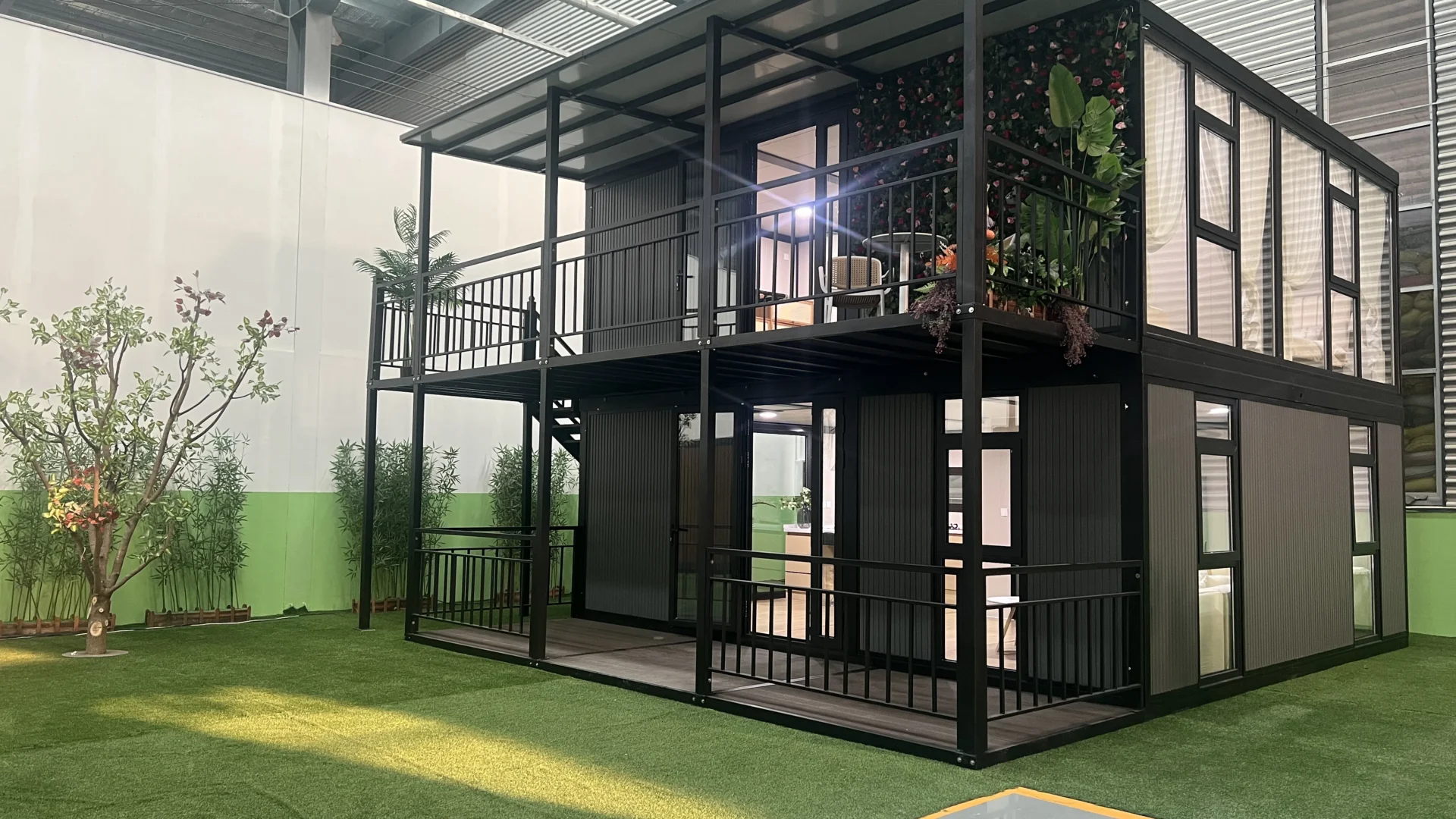
SunModu builds expandable units at its factory in China and ships them worldwide. A 20ft expandable container house, for example, folds flat for transit and opens to 38.2 square meters with one or two bedroom layouts.
Site Work and Foundation
Site work is the widest variable in any container home cost budget. A level pad with utilities at the lot line costs far less than a sloped site that needs grading, piers, or engineered footings. US market data puts foundation spending between $3,000 and $19,350 depending on foundation type, and site preparation sits in a similarly wide band (Bob Vila’s container home cost breakdown). Utility hookups, septic or sewer connection, and a water supply fill out the rest of the line.
International Freight
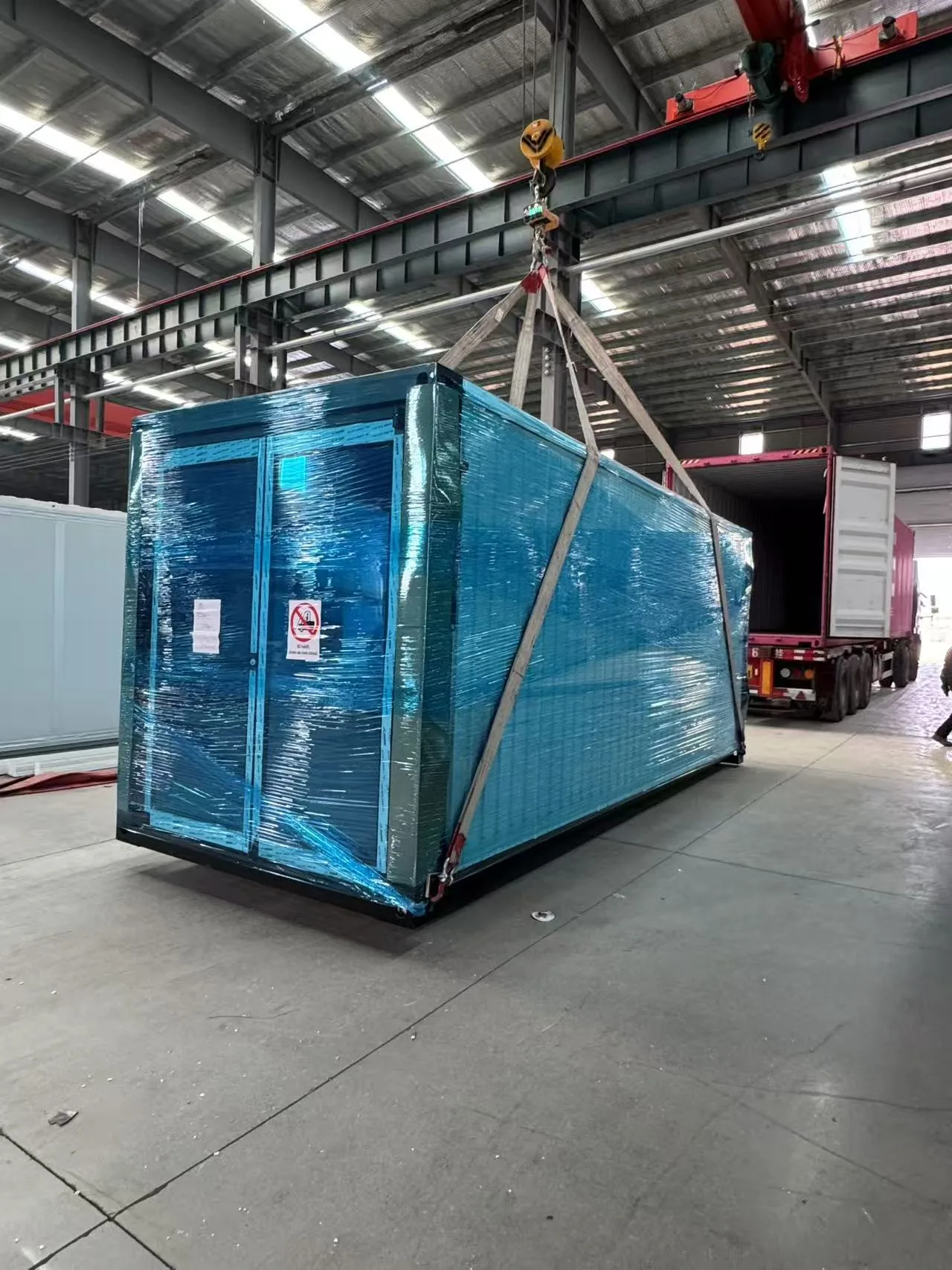
Freight is the line where factory-direct container home cost math diverges most from retail. Three variables set it: folded volume per unit, the port pair, and fuel surcharges at booking time. Packing determines the first of those variables, because a folded unit occupies a fraction of the volume of a pre-assembled box and lowers freight per square meter of finished floor area.
Compliance and Permits
Permit fees, plan review, and inspection requirements vary by state, county, and city. US jurisdictions typically look at the installed components: listed electrical parts, plumbing fixtures, and glazing rated for the local code. Component-level documentation from the factory supports that review, and a local contractor closes out whatever the inspector wants to see on site.
Delivery Timeline
Construction schedules carry their own price. Site-built timelines stretch with weather windows and trade coordination, while factory production runs indoors in parallel with site preparation. The Modular Building Institute reports that off-site methods can cut overall project timelines by 30-50% (MBI timeline research), and a shorter schedule means fewer months of loan interest, site security, and equipment rental.
Container Home Cost in the US Market
Container home prices in the US split into two broad bands, and the spread inside each band tracks finish level, site conditions, and regional labor rates. Use the table below as a baseline for testing factory-direct offers, with one caution: these figures describe the structure side of the project.
| Build Type | Typical US Price Range |
|---|---|
| Single container unit | $25,000 – $80,000 |
| Multi-container home | $80,000 – $250,000 |
| Foundation | $3,000 – $19,350 |
Source: Bob Vila.
Treat the table as the structure-only container home cost and add site lines separately. Imported flat-pack units sit under these bands on the structure line, which is where the factory-direct comparison in the next section picks up. Regional labor rates explain much of the spread between cities, since the same unit that bolts together quickly near a metro contractor pool can pick up a premium in remote areas where crews price in travel time.
Factory-Direct vs Retail: Where the Margin Goes
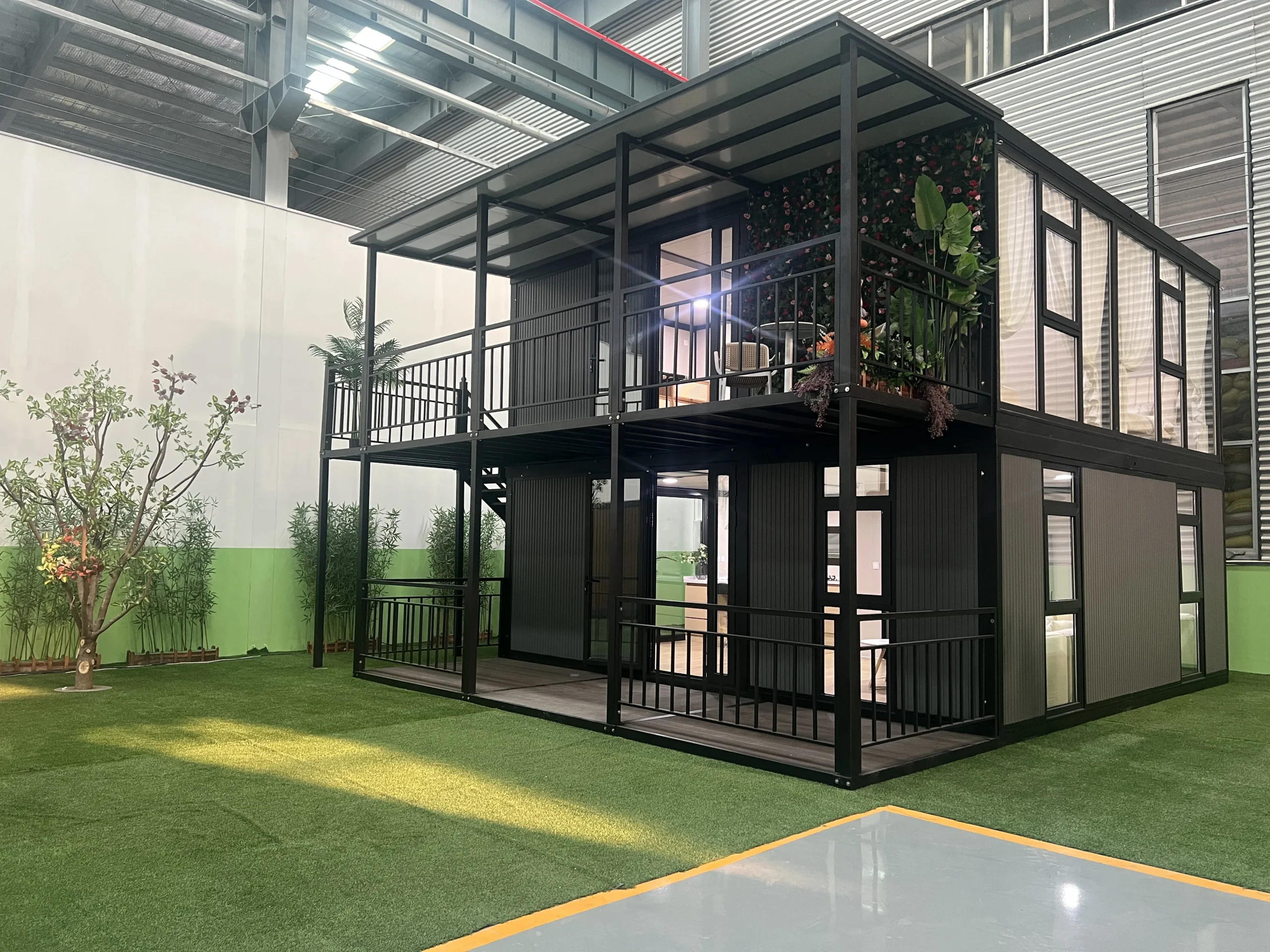
A US retail price buys a local dealer, a finished unit, and one contract. A factory-direct price buys the same structure with the middle layers stripped out, and the buyer takes on freight, customs, and local installation. The retail figure carries dealer margin, warehouse handling, and a markup on the finish package, while the factory-direct quote folds those layers into one ex-works number. Retail still wins in some situations, since a buyer who wants a turnkey handover with one local warranty contact may find the margin buys real value.
| Cost Layer | Retail Channel | Factory-Direct Import |
|---|---|---|
| Structure and finishes | Included, priced with local margin | Ex-works factory price |
| Delivery | Local haul over a short distance | Ocean freight, quoted per booking |
| Customs and duties | Handled by the dealer | Buyer arranges clearance under the destination tariff code |
| Installation | Dealer crew or subcontractor | Local crew; expandable units set with a small team |
| Support | Local dealer relationship | Factory support plus local parts sourcing |
Material inputs move quotes in both channels at the same time. The Federal Reserve’s FRED series tracks the producer price index for steel mill products, which climbed roughly 13% between March and July 2026 (FRED series WPU1017). Steel is the primary input in a container structure, so the date on a factory quote is part of the price.
SunModu quotes factory-direct and ships worldwide from its factory in China. The expandable container house line-up ships flat-packed, and each unit comes with installation instructions sized for a crew of four to five people.
Budgeting an Imported Expandable Unit
The full container home cost for an imported unit reads as a checklist of eight lines, and each line has its own drivers. Collect quotes line by line, and the total stops being a guess.
| Budget Line | What It Covers | Factors That Move the Number |
|---|---|---|
| Unit, ex-works | Structure, finishes, electrical and plumbing rough-in | Model size, finish level, steel price at order date |
| Inland haul | Factory to port of loading | Factory location, fuel surcharges |
| Ocean freight | Port of loading to destination port | Route, folded volume per unit, booking season |
| Duties and clearance | Import duty, port fees, customs broker | Destination tariff code, declared value |
| Foundation | Piers, pad, or slab per local code | Soil, slope, frost line, engineering requirements |
| Utilities | Power, water, sewer or septic, hookup labor | Distance to existing services, local labor rates |
| Installation | Crane or forklift, crew, sealing and final checks | Site access, crew size, unit count |
| Contingency | Reserve for price drift and site surprises | Site certainty, how firm the freight quote is |
A 20ft expandable model shows how the checklist plays out: 38.2 square meters of finished floor area from a single folded shipping volume, an install sized for a crew of four to five, and an ocean freight line kept small by the folding. That last line is why packing design carries so much weight in the landed figure.
Buyers who fix the specification and the destination port early can request a quote with both details, and the factory can return unit and freight figures that plug straight into this table.
How Modular Timelines Affect Your Budget
Schedule risk is a cost line that hides inside financing, site security, and equipment rental. Factory production runs indoors and in parallel with site preparation, so weather stops holding both halves of the project hostage. The Modular Building Institute’s comparison of modular vs. stick-built construction identifies cost predictability as the core advantage: factory scheduling is insulated from weather delays and trade coordination gaps, and the final invoice stays closer to the original quote.
The effect compounds across multi-unit programs. A camp operator placing ten units is buying revenue dates, and the Institute’s timeline research puts the off-site advantage at 30-50% faster delivery than conventional methods. For a developer or dealer, the predictability matters as much as the speed, because a delivery date that holds lets you sequence marketing, site works, and handover dates without a buffer month for weather. Two fewer months of carry cost can also offset a meaningful slice of freight on imported units, and it keeps the container home cost predictable enough to plan a financing schedule around.
Frequently Asked Questions
What Is the Average Container Home Cost in 2026?
US market data for 2026 puts the average container home cost between $25,000 and $80,000 for a single-unit build and between $80,000 and $250,000 for a multi-container home, with foundation from $3,000 to $19,350 and site work priced separately on top. Factory-direct imported units follow a different structure: a lower ex-works price, with freight, duties, foundation, and installation added as separate lines.
How Much Does It Cost to Build a Container Home?
The build-side answer starts with the container home cost bands above, then adds foundation, utility hookups, local labor, and permits. Site conditions swing those four lines harder than the unit specification does, which is why two identical units can land at different totals on different lots.
How Much Is a Container House?
For a quick benchmark, use the US bands: $25,000 to $80,000 for a single unit and $80,000 to $250,000 for multi-container designs. An imported flat-pack unit prices differently, because the factory invoice covers the structure and the buyer adds freight, duties, foundation, and installation as their own lines.
Does Your Shipping Container Home Cost Include Delivery?
Usually not. US retail quotes often bundle local haul, while factory-direct quotes list ocean freight as a line tied to route, volume, and booking season. Flat-pack packing lowers that line by cutting the space each unit occupies on the vessel. Ask for the freight line broken out when you compare offers, because bundled quotes hide the variable part.
References
- Bob Vila’s container home cost breakdown – US market price ranges for single and multi-container builds, plus foundation costs.
- Construction timeline research – Modular Building Institute on off-site construction timelines.
- Modular vs. stick-built construction – Modular Building Institute on cost predictability.
- Producer price index for steel mill products – FRED, Federal Reserve Bank of St. Louis.
Steel cycles and freight rates move through the year, so it pays to re-check container home prices against current quotes before locking a purchase budget.