
TL;DR: How Long Do Shipping Container Homes Last?
How long do shipping container homes last? A factory-finished unit with a sound coating, working drainage, and a yearly maintenance habit typically serves 25 to 50 years. The steel shell carries decades of structural reserve. The paint, the roof, the seals, and the trapped moisture decide how much of that reserve a home keeps.
The Steel Shell Is Not the Weak Point
Most shipping containers are rolled from weathering steel, the material better known under the COR-TEN trade name that US Steel developed in the 1930s. Its copper, chromium, and nickel additions grow a dense, adherent oxide layer under alternating wet and dry conditions. That stable patina slows further attack instead of flaking off the way ordinary rust does. It typically reaches its characteristic dark brown within 2 to 5 years, and in corrosion surveys cited by SteelConstruction.info the material lost around 2 microns of thickness per year in a heavily polluted industrial atmosphere, against 50 microns for conventional structural steel.
The patina does have conditions. It stabilizes only where the steel dries between rain events, so covered, well-drained surfaces are what let it form. Used within its design limits, the material carries long service records: properly engineered weathering steel bridges have achieved design lives of up to 120 years with only nominal maintenance.
A freight module adds its own margin. Because it travels to site at highway speed, it is engineered for transport loads that site framing does not see, and it is sealed weathertight before it leaves the plant, a point the Modular Building Institute makes in its comparison of modular and stick-built methods. Factory finishing under controlled conditions is the reason a coated shell starts its service life intact.
The lesson for a buyer is where to look. Corrosion on a container home usually starts at a detail: a cut edge, a scratch, a ponding roof, a wet base rail. The shell has decades in hand, so the useful answer to how long a container home lasts comes from the five factors below.
How Long Do Shipping Container Homes Last? Five Drivers Decide the Answer
Ask how long do shipping container homes last and the honest reply is that five drivers move the number more than the steel grade does. Each one is inexpensive to manage early and costly to ignore late. Weigh them in this order.
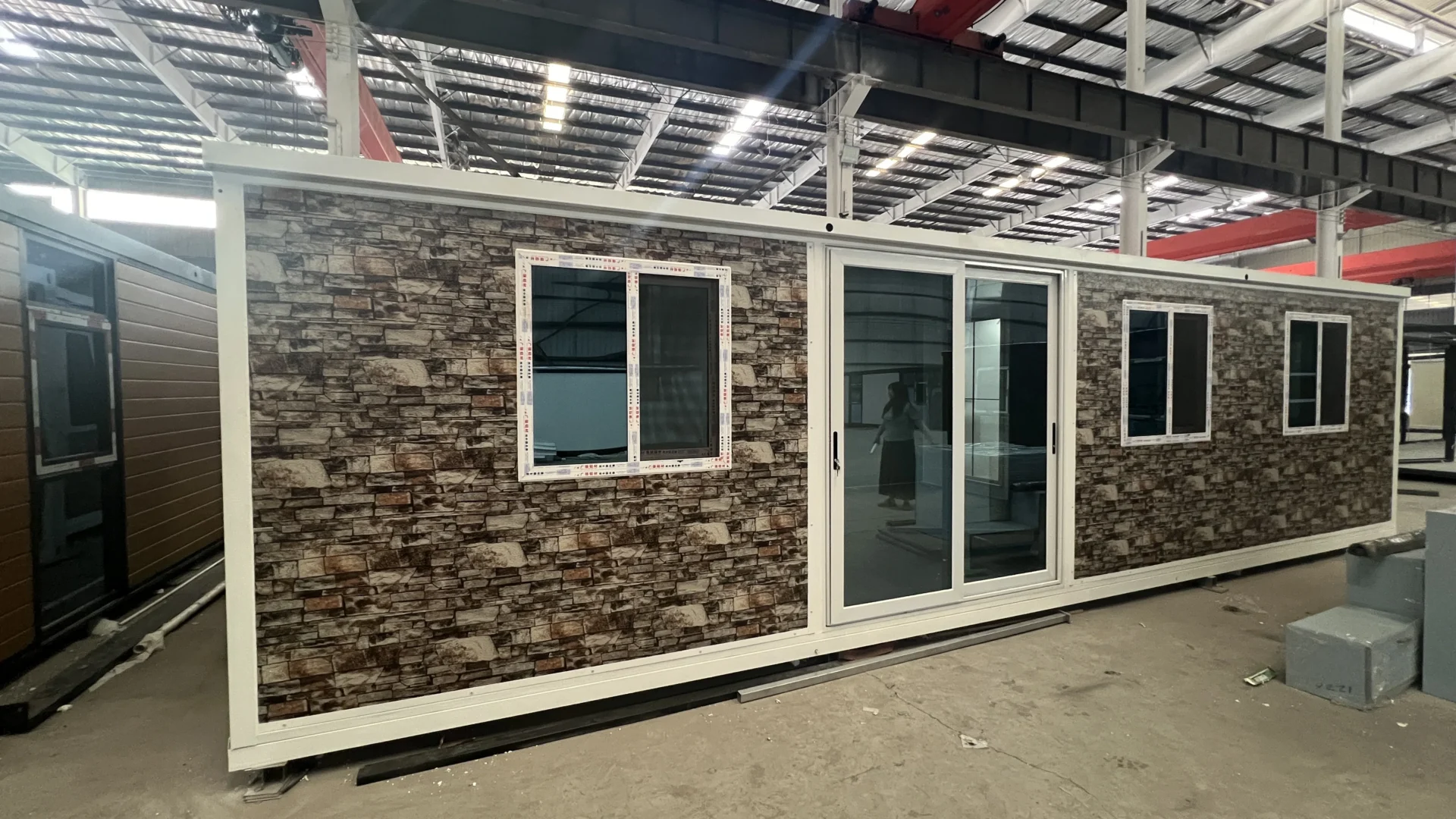
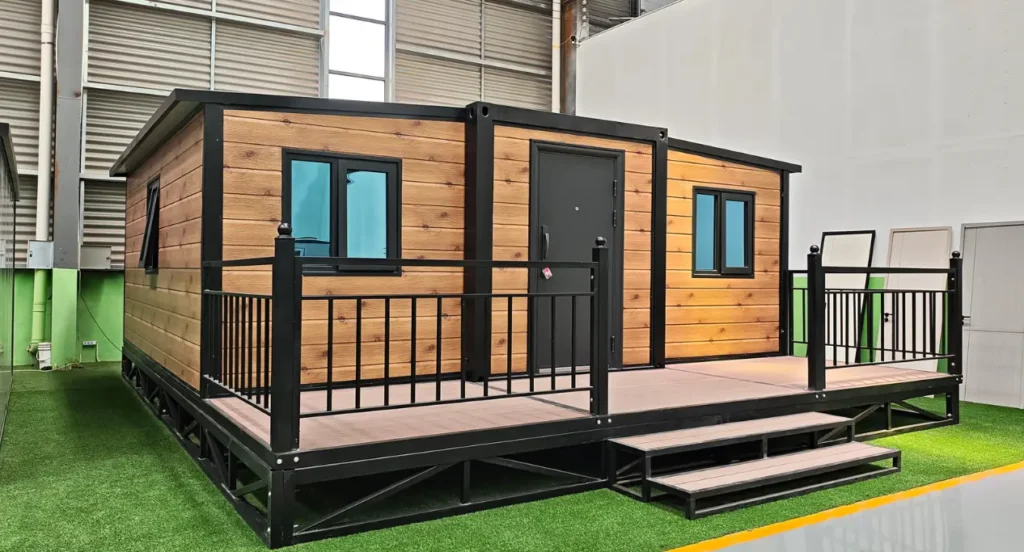
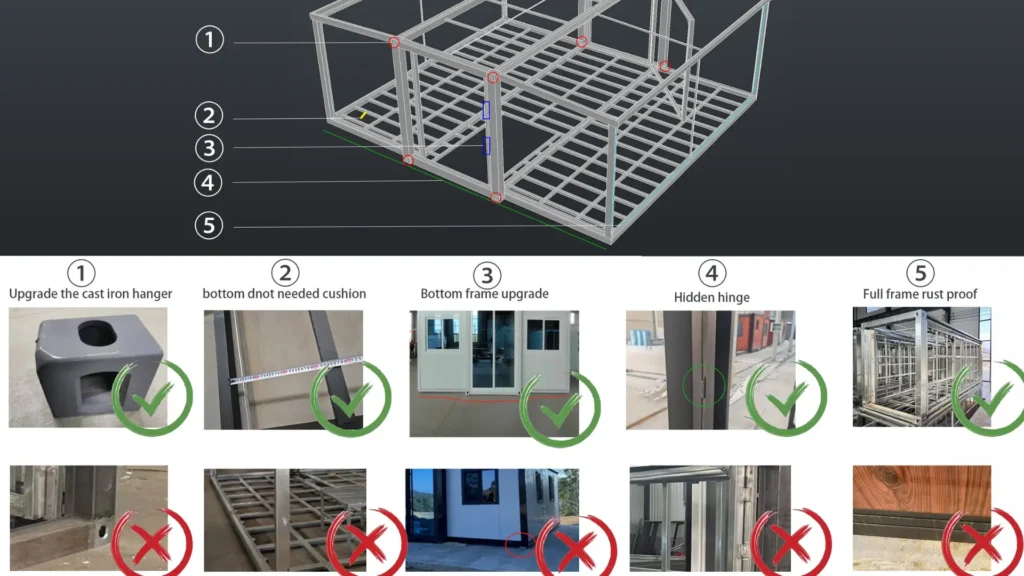
- Coating system quality. A zinc-rich primer under a marine-grade topcoat, applied over blast-cleaned steel in factory conditions, is the standard starting point for export units. Ask a supplier which system they apply, what film thickness they hold at edges, and how cutouts are primed before delivery. Where a line page documents the finishing process, as with SunModu’s expandable container houses, it doubles as a screening document.
- Roof condition and drainage. Container roofs sit close to flat, so standing water is the default failure path. Industry guidance on weathering steel is blunt about drainage: surfaces that stay wet stop being protective and rust through at a quicker rate.
- Interior moisture management. Warm indoor air that reaches the cold steel skin condenses somewhere inside the assembly. Surface humidity above 70 percent sustains mold, and the same trapped moisture drives decay and corrosion in the building fabric, which is why moisture control guidance from Building Science Corporation treats vapor strategy as a durability issue, not a comfort issue. That is also why the insulation decision belongs in any conversation about insulation types and R-values for container walls.
- Site environment. Airborne salt, industrial pollution, permanent shade, and ground splash each shorten coating life. Dense vegetation pressed against steel keeps the surface damp and skips the drying half of the patina cycle. The table below turns these conditions into planning ranges.
- Maintenance cadence. One inspection day per year intercepts nearly every failure path on this list while it is still small. The checklist below runs four checks and a few hours.
Expected Lifespan by Environment and Maintenance Level
Under different site conditions, the table below is the planning answer. Ranges assume a factory coating system in good order. They are budgeting estimates, not a warranty.
| Site environment vs upkeep | What the owner does | Typical service range |
|---|---|---|
| Dry inland air | Yearly coating walk, roof and drains kept clear | Roughly 30 to 50 years, longer with timely repaints |
| Humid temperate site | The same yearly checklist | Roughly 25 to 40 years |
| Coastal, salt spray | Yearly checklist plus fresh-water washdowns and prompt touch-ups | Roughly 15 to 25 years before a major repaint |
| Any environment | Maintenance skipped | Leaks and hidden corrosion can begin within the first few years |
Salt changes the math the fastest. UK bridge guidance treats locations within roughly 2 km of coastal waters as a special case for bare weathering steel, because airborne chlorides break up the protective patina. A coated shell stands up to coastal air better, and wind loads are a separate engineering question, covered in our review of hurricane wind ratings for container homes.
Two site decisions also move a unit between rows. Roof overhangs and covered walkways keep walls out of direct wetting, and grading or deck details keep splash off the lower rails. Both are simpler to plan before delivery than to retrofit.
What Maintenance Does a Container Home Need Each Year?
Shipping container maintenance is a one-day job in most years. Pick a dry weekend and work through four checks.
- Walk the coating. Look for chips, blisters, and rust bleed at cut edges, door tracks, and the lower rails where splash collects. Touch up bare spots with a compatible primer before topcoating, and keep a photo record so next year’s comparison is honest.
- Clear the roof and drainage. Remove leaf litter, watch one heavy rain for ponding, and re-seal any seam that shows movement. A roof that drains today is the cheapest structural insurance a container home gets.
- Check seals and fixtures. Window perimeters, door gaskets, and penetration grommets age faster than steel. Replacing them with compliant parts is low-cost protection, and our compliance certifications overview lists the component standards involved.
- Inspect the interior envelope. Cold corners, staining, and musty odor behind furniture mark condensation risk. Closed-cell spray foam handles insulation and air sealing in a single application, and R-value targets by climate zone tell you how much to fit.
Repairs track the steel market too. The US Producer Price Index for steel mill products stood at 381.2 in August 2026 against a 1982 baseline of 100, according to FRED series WPU1017. A coating chip caught in year two costs a brush and a quart of paint; the same chip found in year ten can mean panel work at current prices.
Which Hidden Problems Shorten a Container Home’s Life?
Most early corrosion failures trace to a handful of hiding places. Four of them do the damage.
- Inside-out rust. Condensation on concealed steel gives no warning until staining appears. It is the failure mode behind the question of whether container homes rust from the inside, and it starts each time warm humid air meets cold steel.
- Wet base rails. Soil piled against the frame, planters hard against the wall, and splash zones keep the lowest steel permanently damp. The right foundation choice keeps standing water off the base rail from day one.
- Moisture trapped by the wrong layers. A vapor barrier on both faces of a wall assembly holds water exactly where it condenses. Keep the assembly able to dry toward one side.
- Bare cut edges. Openings cut on site and left unprimed become the first corrosion points, which is why edge protection belongs in the delivery specification.
None of these are exotic failures. They are the same points the annual checklist covers, which is why the habit matters more than the climate when someone asks how long do shipping container homes last.
Frequently Asked Questions
How Long Do Shipping Container Homes Last?
With factory coatings, working drainage, and a yearly inspection, a shipping container home typically lasts 25 to 50 years. The steel shell holds structural reserve for many decades, so the coating, roof, seals, and interior moisture management decide where a specific home lands in that range. Coastal exposure and skipped maintenance pull the number toward the low end.
What Maintenance Does a Container Home Need?
A yearly walk-around covers most needs: touch up coating chips and bare cut edges, clear the roof and drainage paths, test window and door seals, and check cold interior corners for condensation staining. Coastal homes add fresh-water washdowns of the exterior walls. The total effort is a few hours per year for a typical home, and dated photos make each year’s check faster.
Do Container Homes Rust From the Inside?
They can when warm, humid indoor air reaches the cold steel skin and condenses inside the assembly. Prevention is a one-sided moisture strategy: insulation and an air barrier on the interior face, with the exterior left free to dry. Where indoor humidity stays controlled and the assembly can dry toward one side, inside-out corrosion has little to feed on.
Are Container Homes Durable in Coastal Areas?
Yes, with a stricter routine. Airborne salt shortens coating life and disrupts the patina on bare weathering steel, which is why coastal guidance flags sites near salt water as a special case. Wash exterior walls with fresh water on a schedule and touch up coating damage promptly. The container home lifespan stays workable wherever the coating stays intact.
References
- SteelConstruction.info: Weathering steel
- Central Steel Service: How Long Does Weathering Steel Last?
- Modular Building Institute: Modular vs Stick-Built and a Case for the Future of Construction
- Building Science Corporation: BSD-012 Moisture Control for New Residential Buildings
- Spray Polyurethane Foam Alliance: SPF Benefits
- ENERGY STAR: Insulation R-Values
- FRED: Producer Price Index by Commodity: Steel Mill Products (WPU1017)