
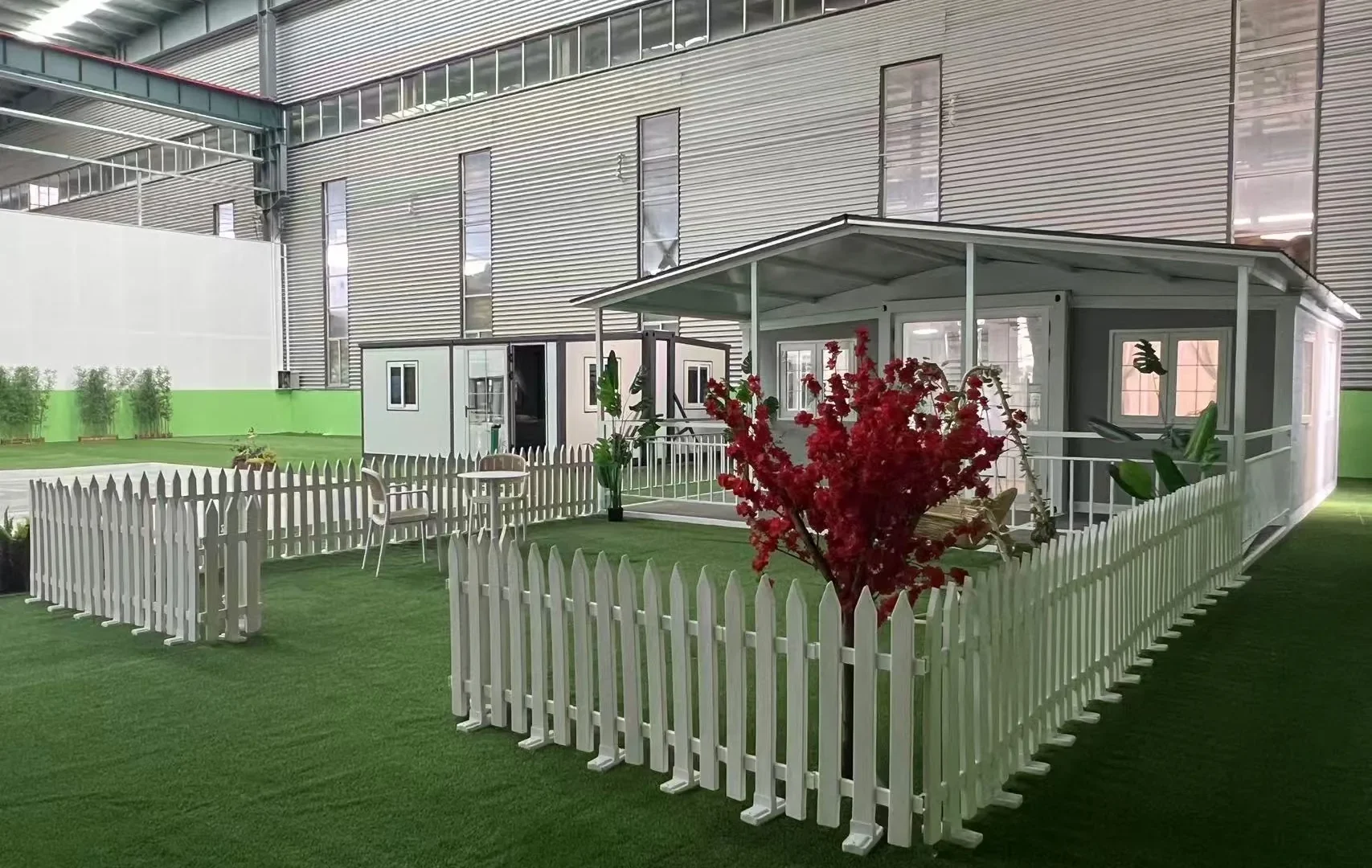
TL;DR: What Does It Take to Run an Off Grid Container Home?
An off grid container home runs without utility hookups because four self-held systems replace the mains: solar-plus-battery power, well or rainwater supply, septic or composting sewage, and efficient heating and cooling backed by serious insulation. Plan for roughly 3-8 kW of solar, 1-2 days of battery reserve, and a permitted sewage route, not a single panel.
Off Grid Container Home Systems, at a Glance
An off grid container home is not a box with a solar panel bolted to the roof. It is a utility company in miniature: it generates and stores its own electricity, secures its own water, treats its own sewage, and maintains its own indoor climate. Power, water, sewage, and thermal comfort: those four systems are what the words “off grid” actually commit you to.
The container shell is usually the cheapest line item in the budget. What decides whether the home works in January is the equipment behind it: the photovoltaic array, the battery bank, the pump and pressure tank, the septic or composting unit, and the insulation of the envelope. Buyers who budget for the box and forget the systems are the ones who end up living behind a generator.
Remote parcels raise the stakes because nothing can be borrowed from the street: no municipal water main, no sewer, often no power line within economic reach. Site logistics differ too, starting with how the unit meets the ground; our article on container home foundation options and costs covers remote-site choices.
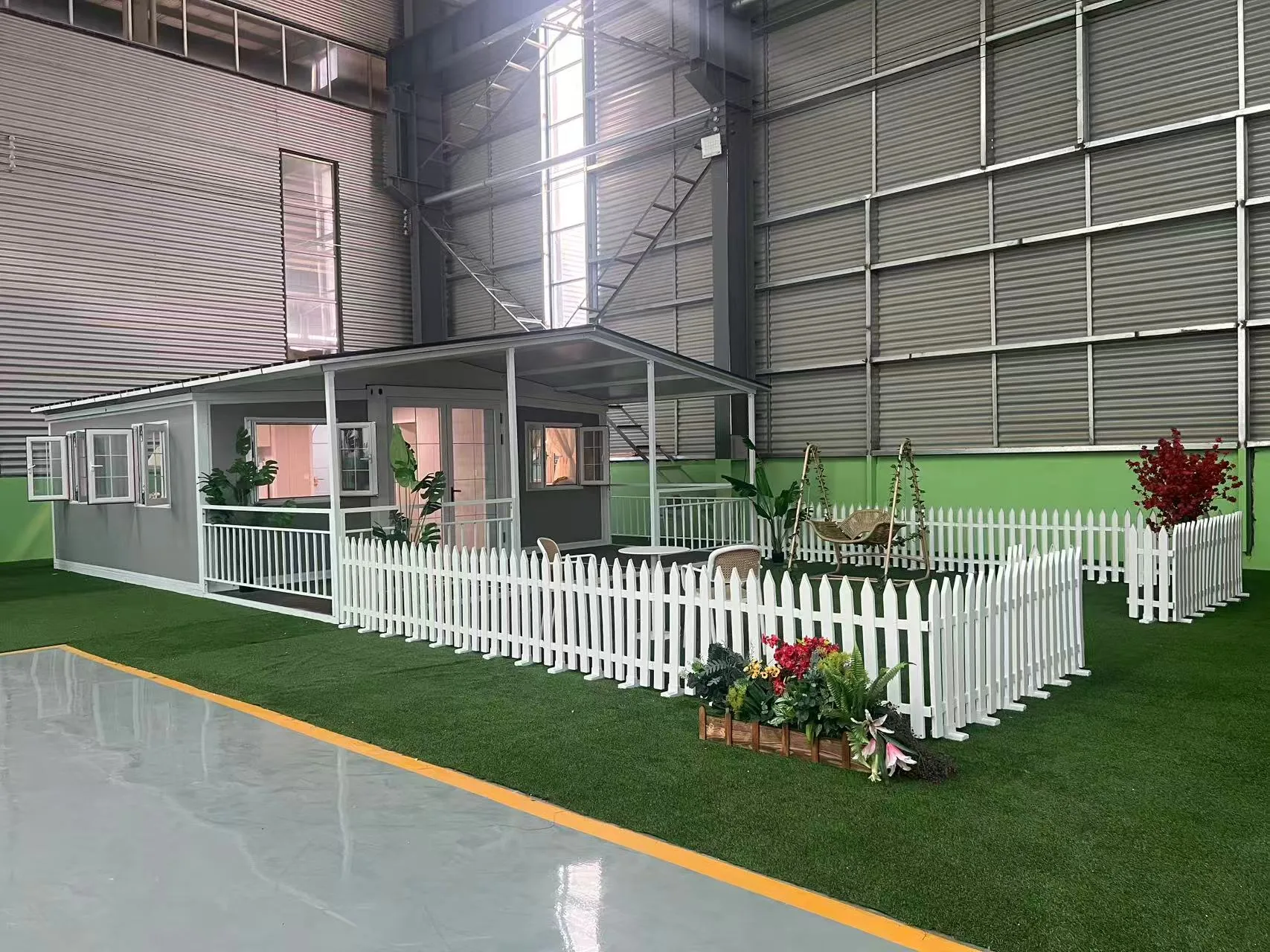
Can a Container Home Really Run Off Grid?
Yes, provided the systems are engineered to measured demand, not optimism. The benchmark is consumption: the average US residential electricity customer used about 899 kWh per month in 2022, according to the U.S. Energy Information Administration
Efficiency is how an off grid container home beats that benchmark. A tight envelope, LED lighting, right-sized appliances, and honest usage habits bring realistic full-time loads down to roughly 5 to 10 kWh per day. Cutting demand first shrinks the solar array and the battery bank, the two most expensive components, before you ever buy them.
Two physical constraints decide success. The first is autonomy: batteries sized to ride through one to two overcast days, because solar without storage is a fair-weather system. The second is moisture: a small, airtight steel box that alternates between occupied and empty traps condensation quickly, and building-science guidance treats moisture control as a core design task for new residential buildings, as Building Science Corporation’s BSD-012 digest sets out
How Many Solar Panels Does an Off Grid Container Home Need?
For a full-time off grid container home, most designs land between 3 and 8 kW of array, roughly 8 to 20 modern 400 W panels, paired with a 10 to 20 kWh battery bank. Weekend cabins sit at the low end; homes running well pumps, mini-split heat pumps, or workshop tools sit at the top. Real numbers vary strongly with climate and appliance choices, so treat these ranges as planning figures, not quotes.
Sizing an Off Grid Container Home With the Load-List Method
The load-list method turns guesses into arithmetic. List every appliance with its rated wattage, estimate honest hours of daily use, multiply to watt-hours per appliance, and sum the list; then add 25 to 30% for inverter and battery losses. Array size follows from your worst-month sun hours, using winter instead of the annual average, set against that adjusted daily total. University extension energy programs, Penn State Extension among them, teach homeowners the same arithmetic for residential solar planning.
A worked example shows how fast the list grows. A 100 W refrigerator running the equivalent of 8 hours, LED lighting at 60 W for 5 hours, a 200 W water pump for 1 hour, and phone-and-laptop charging near 150 Wh add up to roughly 1.8 kWh per day before losses, which is a modest system. Swap in an induction cooktop or a mini-split and the same list multiplies several-fold, which is why the load list comes first and the panel count second.
Grid-Tied, Hybrid, or Off-Grid Inverter?
A grid-tied inverter is designed to shut down when the utility fails, so it contributes nothing during an outage. A pure off-grid inverter draws from batteries only. A hybrid inverter manages solar, battery, and (if one ever arrives) grid input in a single unit, which is why it has become the default choice for off grid container homes that might connect to a network later.
What About Water Supply and Winter Storage?
Off grid water comes from three routes: a drilled well with a pump, rainwater captured from the roof, or trucked delivery into a cistern. Wells are the most autonomous but cost the most upfront and depend on what the driller finds. Rainwater is cheap per liter but seasonal, which makes storage volume the real design variable.
A roof-catchment system is simple in principle: gutters feed a first-flush diverter that discards the dirtiest initial runoff, then storage. Rain barrels suit garden-scale use, while cisterns support whole-house supply, the exact line the EPA’s rainwater guidance draws for homeowners. For potable systems, filtration and disinfection are added stages, and extension services such as Texas A&M AgriLife Extension publish detailed harvesting programs covering collection, storage, and treatment.
Winter is where water plans fail. Supply lines and tanks need to sit below the frost line or be heat-traced and insulated; a burst fitting inside a wall is expensive anywhere and worse in a home you repair yourself. Budget freeze protection as a line item, not a hope.
Septic Tank or Composting Toilet for Off Grid Sewage?
Sewage has two mainstream paths off grid, and they make different promises. A conventional septic system handles full water use invisibly but needs suitable soil, space, a percolation test, and a permit. A composting toilet eliminates blackwater at the source but demands owner maintenance and a separate plan for gray water from sinks and showers.
| Question | Septic system | Composting toilet |
|---|---|---|
| Handles all household wastewater? | Yes, gray water included | Blackwater only; gray water needs its own route |
| Upfront cost profile | Higher: tank, drain field, soil testing | Lower for the unit; gray-water handling adds cost |
| Permit involvement | Usually required | Varies by jurisdiction; check local rules |
| Water demand | Needs flushing water | Near zero |
| Maintenance | Pumped every few years | Owner manages the compost chamber regularly |
Permits, not plumbing, are usually the long pole in septic decisions. Soil that fails a percolation test can force a mound system or a packaged treatment plant at several times the base cost. Confirm the sewage route before you order the home, because it shapes the site plan, the water budget, and the approval timeline.
Why Insulation Is the First Lever in an Off Grid Container Home
In an off grid container home, every kilowatt-hour you do not need is one you do not have to generate, store, or replace. That makes the thermal envelope the highest-return investment in the project, ahead of panels and ahead of batteries. ENERGY STAR’s climate-zone tables recommend attic R-values from about R-30 in the hottest zones up to R-60 in cold ones, with matching wall and floor targets.
Our earlier analysis of container home insulation types and R-values reached the same conclusion for steel shells: continuous coverage plus attention to thermal bridging beats stuffing the cavity and hoping. Steel skins conduct heat readily, so framing members act as thermal bridges unless the insulation layer covers them continuously.
Air sealing is the quiet half of the same lever. Closed-cell spray foam is popular in small steel structures because it combines insulation and an air barrier in one application, a dual role the Spray Polyurethane Foam Alliance’s benefit summary makes explicit. A tight envelope also tames the condensation risk that comes with intermittent occupancy.
What Does Factory Pre-Wiring Include for Off Grid Systems?
Off grid systems are easier to design in than to bolt on. Factory pre-wiring runs conduit channels, an inverter bay, and a battery compartment through the building sequence, so penetrations, cable routes, and ventilation are engineered, not improvised. Retrofitting the same systems later means opening finished walls twice: once for the mistake, once for the fix.
Compliance is the second reason to pre-engineer. Electrical rules differ across the US, Australia, and Europe, and our overview of prefab house electrical standards explains how voltage, earthing, and certification regimes diverge between markets. A factory that pre-wires to a named standard hands you documentation an inspector can actually read.
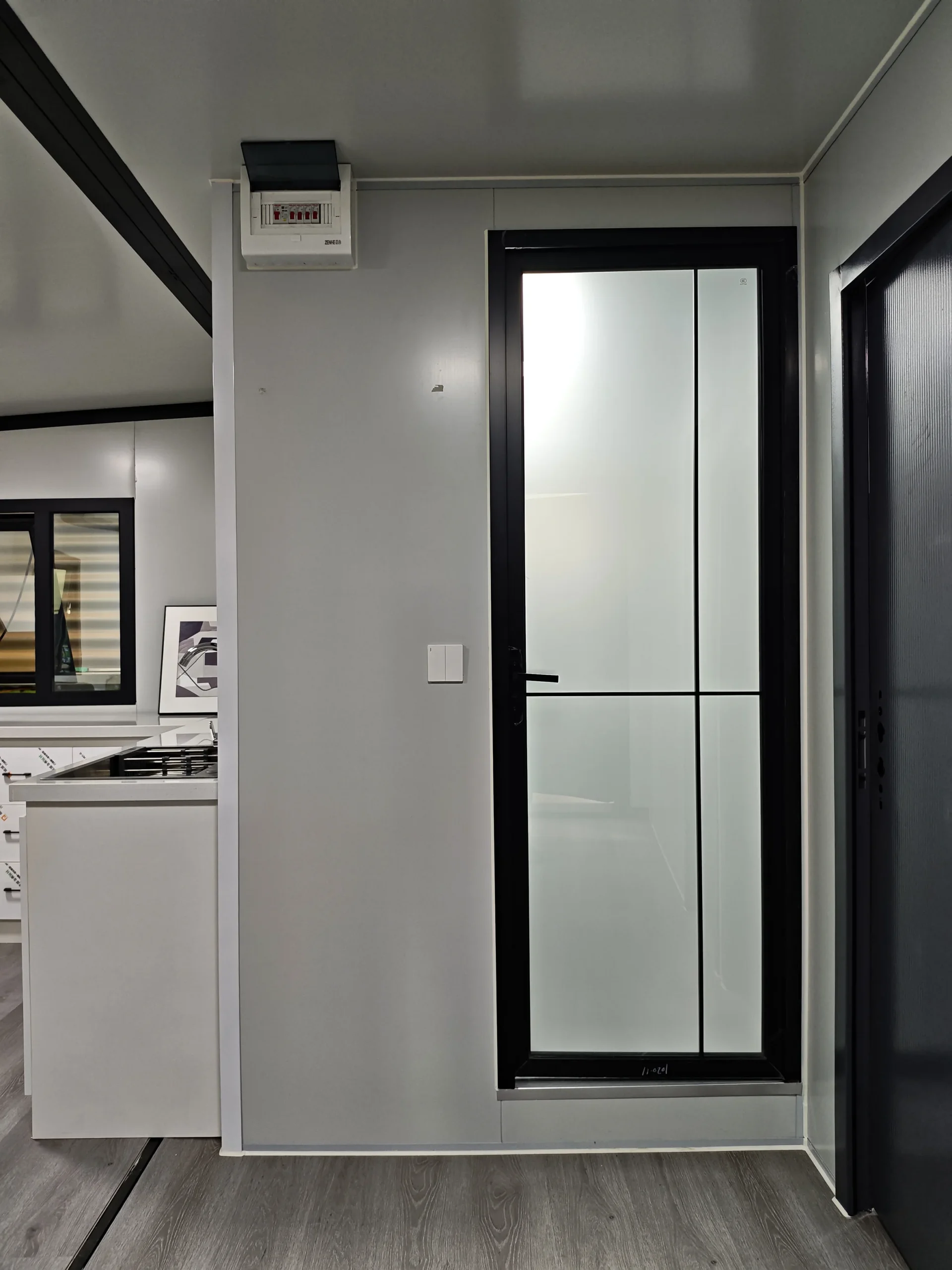
Factory Pre-Install or Site Retrofit: Which Route Wins?
For anyone committed to off grid container homes, the comparison below is the decision in miniature. The pattern repeats across water, sewage, and climate equipment too: work done before the walls close costs less and fails less than work done after.
| Question | Factory pre-installed | Site retrofit |
|---|---|---|
| Initial system cost | Lower per component; labor shared with the build | Higher; standalone labor plus wall rework |
| Commissioning | Tested as a unit before delivery | Debugged on site, weather-dependent |
| Warranty responsibility | Single point of accountability | Split between builder and retrofit installer |
| Future expansion | Spare conduit and panel space planned in | Constrained by finished surfaces |
| Owner downtime | None | Home off service during works |
The practical entry point is specification, not custom engineering. Models such as the 20ft expandable container house can be configured with off-grid-ready wiring and inverter provision at the factory, which turns most of the table above from a trade-off into a default.
What Pitfalls Delay Off Grid Container Home Projects?
Capacity underestimation is the classic failure. Owners size the array for summer averages, then meet December. The fix is the load-list method applied to the worst month, with battery autonomy of at least one full overcast day.
Freeze protection and approvals follow close behind. Water systems without frost-depth planning fail in the first hard cold snap, and sewage permits, septic especially, routinely set the project calendar, because soil testing and health-department review run on schedules no buyer controls.
Plan for the second decade too, not just the first winter. Steel shells are durable, but coatings, seals, pumps, and batteries all age on schedules of their own; our article on how long shipping container homes last sets out the maintenance rhythm for long-term ownership.
Frequently Asked Questions
Can a container home really run off grid?
Yes, when the four utility systems are engineered to measured demand. A realistic full-time load of 5 to 10 kWh per day, a 3 to 8 kW solar array, one to two days of battery reserve, a defined water source, and a permitted sewage route together replace the grid. What fails is rarely the concept; it is undersized components: an off grid container home designed around averages instead of worst-month demand, or batteries without cloudy-day reserve.
How many solar panels does an off grid container home need?
Most full-time designs need roughly 8 to 20 modern 400 W panels, 3 to 8 kW, plus a 10 to 20 kWh battery bank, while weekend cabins manage with far less. The honest answer comes from a load list: wattage times hours for every appliance, plus 25 to 30% system losses, checked against your weakest winter sun. Because output varies with climate, treat any fixed number, including these ranges, as a starting point, not a quote.
What about water and sewage off grid?
Water typically comes from a well, roof rainwater harvesting, or trucked delivery into a cistern, with storage sized to the driest season and lines protected below the frost line. Sewage follows one of two routes: a permitted septic system that handles all household water, or a composting toilet that removes blackwater and leaves gray water for separate treatment. Soil tests and local health rules usually decide which path is practical on a given parcel.
Is it cheaper to pre-wire off grid systems at the factory?
Usually, once rework is counted. Factory pre-wiring shares labor with the build, routes conduit before walls close, and leaves a designed inverter and battery bay, so commissioning happens once under a single warranty. A retrofit buys the same equipment, then adds standalone labor, finished-wall repairs, split warranty responsibility, and debugging on site. If off grid living is even a possibility, specifying pre-wiring up front is the cheaper sequence.
Do off grid container homes need planning approval?
Yes. Going off the grid changes which approvals you need, not whether you need them. Expect building permits, electrical certification to your local code, and sewage approval: a septic permit with soil testing in most counties, or documented compliance for composting and gray-water systems where they are allowed. Wells and rainwater plumbing carry their own rules in many jurisdictions. Off the grid container homes must still meet the same habitability codes as any other dwelling.
References
- U.S. Energy Information Administration, average monthly residential electricity consumption in 2022: https://www.eia.gov/tools/faqs/faq.php?id=97&t=3
- Building Science Corporation, BSD-012 Moisture Control for New Residential Buildings: https://buildingscience.com/documents/digests/bsd-012-moisture-control-for-new-residential-buildings
- Penn State Extension, Solar Energy for Homes: https://extension.psu.edu/solar-energy-for-homes
- U.S. EPA, Soak Up the Rain: Rain Barrels: https://www.epa.gov/soakuptherain/soak-rain-rain-barrels
- Texas A&M AgriLife Extension, Rainwater Harvesting: https://agrilifeextension.tamu.edu/library/water/rainwater-harvesting/
- ENERGY STAR, recommended insulation R-values by climate zone: https://www.energystar.gov/saveathome/seal_insulate/identify-problems-you-want-fix/diy-checks-inspections/insulation-r-values
- Spray Polyurethane Foam Alliance, SPF benefits (insulation plus air sealing): https://www.sprayfoam.org/spf_benefits/