
TL;DR: Container Home Kits at a Glance
Container home kits ship the building itself: structural frame, wall and roof panels, doors, windows, hardware, and drawings. Foundation, utility hookups, and interior finishes stay with you. That split is what makes kits cheaper to freight than turnkey units, and why the kit price is only one part of your final budget.
What Is a Container Home Kit?
A container home kit is a prefabricated building supplied in parts for final assembly on your site; it does not arrive as a finished box. The factory does the welding, panel laminating, and glazing under controlled conditions; you handle the foundation, the crane day, and the trades that connect water and power. Because the work is standardized at the factory, quality is managed through QA/QC programs and independent inspection instead of weather-dependent site practice, the same logic the Modular Building Institute describes for offsite construction and the reason well-made container home kits can outperform site-built conversions (modular.org).
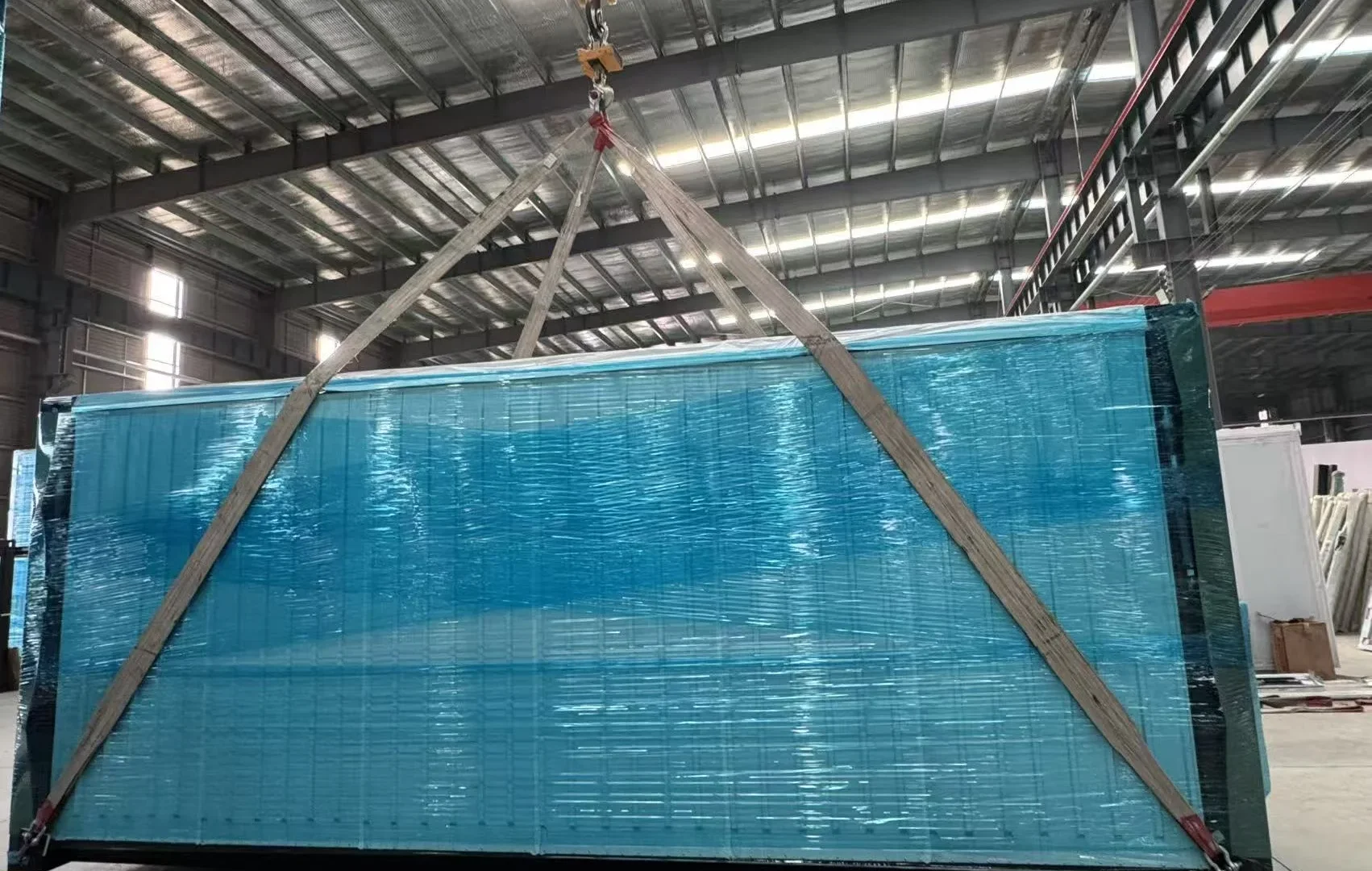
Kits reach your site in three main forms. Panelized kits arrive as flat bundles of wall and roof boards that a crew screws and seals together on site. Folding units arrive hinged and pre-fitted, so a crane unfolds them in a single lift. Expandable units use the same hinge principle but open on one or both long sides to multiply floor area.
If you want the full construction taxonomy, our guide to how flat-pack, folding, and expandable container houses differ covers it in depth; for the two hinged forms specifically, see how expandable and folding container houses compare.
Which form you choose changes what “assembly” means. A folding or expandable kit is closer to positioning and locking than to building; a panelized kit is a genuine construction project in miniature. Our own folding container houses, for example, ship with the interior pre-fitted at the factory, so the kit boundary sits differently than it does for a flat-pack product.
What’s Included in Container Home Kits, and What Isn’t?
Not all container home kits are scoped alike, but the honest answer is that every kit has three lists: what is standard, what is optional, and what is never in the box. The third list matters most for your budget, because finished container homes in the US average $25,000 to $80,000 all-in for a single-unit build, a range that includes the site work and finishes a kit leaves out (Bob Vila). Get all three lists in writing before you compare prices, because a cheap quote often just means a shorter list.
What container home kits include as standard
Nearly all container home kits center on the same six items: the structural frame, the wall and roof panels, doors and windows, a hardware pack, utility rough-ins, and drawings. The table below shows what to verify for each.
| Component | In the kit? | What to verify before ordering |
|---|---|---|
| Structural frame (base, columns, roof frame, corner castings) | Standard | Steel thickness, coating, and weld quality; corner casting specs for lifting |
| Wall and roof sandwich panels | Standard | Core type (rock wool, PU, EPS), thickness, and fire rating |
| Doors and windows | Standard | Profile thickness, glazing, screens, and lock hardware |
| Hardware pack (bolts, hinges, cranks, sealant) | Standard | That fasteners match the panel system, not generic stock |
| Utility rough-ins (conduit, junction boxes, pipe sleeves) | Usually standard | That outlet and pipe positions match your foundation plan |
| Assembly drawings and manual | Standard | Exploded views, torque values, and a utility-point map |
Common optional add-ons
Most container home kits price these as optional line items: finish flooring, bathroom and kitchen pods, cabinetry, solar-ready roof provisions, awnings, and decking. Ordering them factory-fitted costs more upfront but removes the hardest coordination work from your site schedule. If you skip them, confirm the kit still has the structural and plumbing provisions to accept them later.
What container home kits leave out
Say it plainly: no foundation, no crane or forklift, no connection to water, sewer, or the grid, no permits, and usually no appliances or furniture. These are local costs with local price tags, and for most buyers they exceed the kit price itself. Quote them with local contractors before you commit to any kit, not after it lands in your yard.
Is a Kit Cheaper Than a Turnkey Container Home?
Sticker-for-sticker, yes: container home kits cost less than the same designs finished in the factory. But the honest comparison is total delivered cost, and that flips the picture for unprepared buyers. A turnkey unit concentrates spending in one invoice with few surprises; a kit trades a lower invoice for an open-ended site budget that you control, or fail to control.
| Decision factor | Container home kit | Turnkey unit |
|---|---|---|
| Who builds it? | You and your crew, on site | The factory, before shipping |
| Site work you handle | Foundation, assembly, utilities, interior | Foundation and utility hookups only |
| Typical timeline | Factory lead time, freight, then weeks of site work | Factory lead time, freight, then days of setup |
| Cost structure | Lower kit price, open-ended site budget | Higher unit price, fewer surprises |
| Skills required | General contracting or a local builder | Crane crew plus licensed trades for hookups |
| Freight efficiency | Flat-packed: multiple units per container | One finished unit per container or flat rack |
| Suited to | Owner-builders and cost-driven small developers | Fast deployment, remote sites, rental fleets |
Timeline is the other half of the comparison. Factory fabrication runs in parallel with your site preparation (pouring the foundation while the kit is still on the production line) and the Modular Building Institute reports that this parallel process can cut overall project timelines by 30 to 50 percent versus conventional building (modular.org). That advantage only materializes if your site work is ready when the kit arrives, so sequence the two deliberately.
How Does Ordering a Container Home Kit Work, From Drawings to Delivery?
The order-to-delivery path has five steps, and each one has a checkpoint where mistakes get expensive if you skip it.
Drawing confirmation comes first. You approve the layout, the door and window schedule, and, critically, the utility point positions, because every conduit and pipe sleeve is factory-fitted to those coordinates. Changes after production starts mean rework or delays, so treat this sign-off as the most important hour of the whole project. Production then runs, typically a few weeks for standard models, longer for custom layouts.
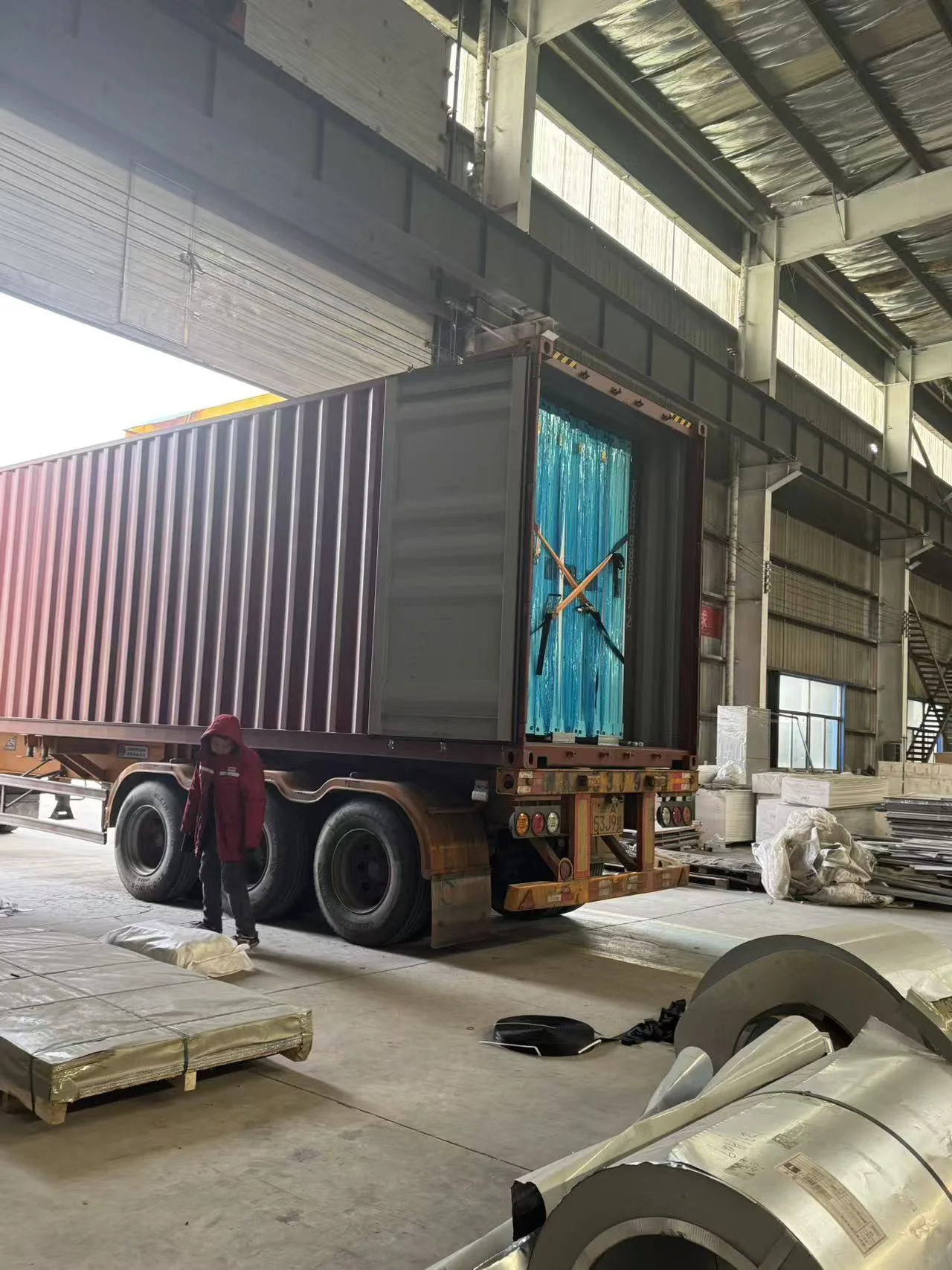
Next is packing, and this is where kit suppliers separate themselves. Panel bundles and folding frames are fixed, blocked, and wrapped inside the container so nothing shifts at sea, following the stowage and securing practice set out in the IMO/ILO/UNECE CTU Code, the international standard for packing cargo transport units (imo.org). Ask any supplier exactly how they pack container home kits, and ask for photos of a loaded unit.
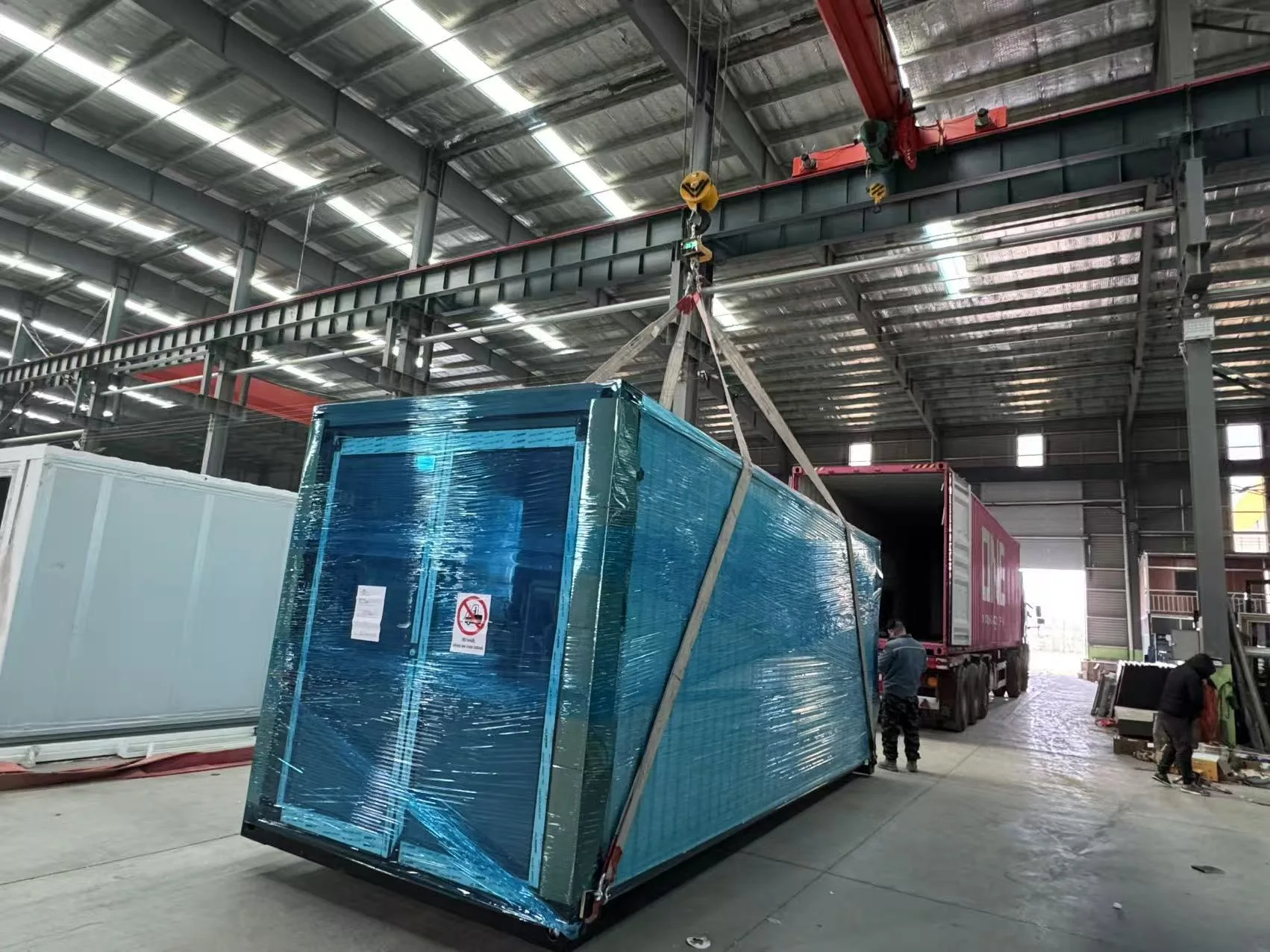
Then comes ocean freight, and the packing choice you made two steps ago determines the bill. Flat-packed kits stack several units into one 40-foot container; folded or expandable units travel one or two per box. We break down the arithmetic in how many folding houses fit in a 40HQ container, which shows why packing format moves landed cost more than most buyers expect.
Site assembly comes last. A folding or expandable kit needs a crane and a small crew for positioning, leveling, and locking, usually finished within a day for a single unit. Panelized kits take longer, commonly one to two weeks for a competent crew, depending on size and how much of the interior is factory-finished.
What Drives Container Home Kit Pricing?
Three forces set the number on quotes for container home kits: steel, specification, and freight. Steel dominates the material side, and it is not a fixed input. In the US, the producer price index for steel mill products (WPU1017) stood at 388.580 in September 2026, on a 1982=100 basis, the index fabricators watch when repricing coil and panel contracts (FRED). When that index moves, factory quotes move with it, which is why a kit quotation older than 30 days should be treated as expired.
Specification is the second lever, and it is the one you control directly: panel thickness and core type, glazing, door hardware, and how much of the interior is factory-fitted. Two quotes that look comparable can differ substantially on steel content alone, so normalize every quote to the same written specification before comparing prices.
Freight is third, and it swings independently of your kit. Ocean rates reset weekly: the Freightos Baltic Index publishes a daily 40-foot composite across twelve trade lanes, including China to North America routes (Freightos), so the same kit can land at noticeably different total cost in the same quarter. Packing format is your hedge: the flatter a kit packs, the more units share one container, and the lower the freight per unit.
Who Should Buy a Container Home Kit, and Who Shouldn’t?
Container home kits reward buyers who can manage site work. Owner-builders with building experience, or with a local general contractor lined up, capture the full price advantage because they supply the labor the factory left out. The same applies to buyers building a second dwelling or a holiday unit on land they already control, where a panelized or hinged kit slots into an existing site plan without a second mobilization.
Small developers buying multiple units are a natural fit for flat-packed kits: repeatable designs amortize the learning curve across the second, third, and fourth assembly, and the freight arithmetic improves with every unit that shares a container. Rental and workforce-housing operators usually land the other way: their timelines are measured in days, so the turnkey premium buys speed they can monetize.
You should probably not buy a kit if you have no local builder, no tolerance for permit processes, or a completion deadline tied to a fixed event. A kit that sits unpacked in a storage yard while permits stall is money tied up with no building to show for it.
What Pitfalls Trap First-Time Kit Buyers?
Hidden gaps in low-cost container home kits
The classic loss leader among cheap container home kits removes items you assume are included: thinner steel than quoted, a hardware pack short on fasteners, no utility rough-ins, or drawings too vague to build from. Counter it with an itemized packing list attached to the contract, and make the steel specification (thickness, coating, core material) a named line item, not a brochure claim.
Poor packing and transit damage
Bundles that shift in transit arrive with cracked glazing, dented panels, and hinge misalignment that no warranty clause settles quickly, because carrier claims against a badly packed container rarely succeed. Photograph the container opening at delivery, before you sign anything, and reject damaged bundles on the spot with the carrier’s notation.
Missing acceptance checks before sign-off
Many disputes start at the factory gate, not your site: a unit that would have failed a pre-shipment inspection becomes your problem the moment it ships. Audit the supplier before you pay a deposit: our factory audit and pre-shipment inspection checklist for US and Australian importers walks through what to verify and when. A one-day audit visit costs less than one container of rework.
The bottom line for kit buyers: the product inside the container is rarely the problem; the scope around it is. Buyers who treat container home kit purchasing as a construction project with a factory upstream get the price advantage; buyers who treat it as an online order get the site bills.
Frequently Asked Questions
What is included in a container home kit?
A standard kit includes the structural frame, wall and roof sandwich panels, doors and windows, a hardware pack, utility rough-ins, and assembly drawings. Flooring, bathroom and kitchen pods, and cabinetry are usually optional line items. Foundation, crane hire, utility connections, permits, and appliances are excluded, so budget those locally before you order.
Is a container home kit cheaper than a turnkey unit?
The kit itself costs less, and freight costs less because flat-packed kits share containers. But total project cost depends on your site work: foundation, utilities, assembly labor, and finishes can exceed the kit price. A kit is cheaper overall only when you can manage or already have the local labor the factory left out.
How long does it take to assemble a container home kit?
A folding or expandable unit typically needs a crane and a small crew for a day or less of positioning, leveling, and locking. Panelized kits take longer, often one to two weeks for an experienced crew, depending on size and how much interior is factory-finished. Site preparation and utility connections happen before and after, on separate schedules.
Do container home kits include plumbing and electrical?
Kits include the rough-in infrastructure: conduit runs, junction boxes, outlet positions, and pipe sleeves factory-fitted to the approved drawings. They do not include connection to water, sewer, or the grid, and they do not include final fixtures unless you order them as options. A licensed local tradesperson must complete and certify the connections.
How are container home kits shipped?
Flat-packed kits travel as stacked panel bundles and frames, several units per 40-foot container, blocked and strapped against shifting at sea. Folding and expandable units ship hinged and pre-fitted, usually one or two per container. Packing quality determines transit damage risk, so ask for loading photos and confirm the supplier follows standard stowage practice.
References
- Federal Reserve Bank of St. Louis, Producer Price Index by Commodity: Metals and Metal Products: Steel Mill Products (WPU1017), September 2026 observation: https://fred.stlouisfed.org/series/WPU1017
- Modular Building Institute, What Is Modular Construction?: https://www.modular.org/what-is-modular-construction/
- Modular Building Institute, Construction Timelines: https://www.modular.org/construction-timelines/
- Bob Vila, How Much Does a Container Home Cost?: https://www.bobvila.com/articles/container-home-cost/
- IMO, IMO/ILO/UNECE Code of Practice for Packing of Cargo Transport Units (CTU Code): https://www.imo.org/en/ourwork/safety/pages/ctu-code.aspx
- Freightos, Freightos Baltic Index (FBX), Global Container Pricing Index: https://www.freightos.com/enterprise/terminal/freightos-baltic-index-global-container-pricing-index/